The Syrian Arab Republic
Syria, often called the "Cradle of Civilization," is a land where human history began its first chapters. Located in the heart of the Middle East, this ancient land has been continuously inhabited for over 8,000 years, serving as the birthplace of writing, agriculture, and urban life. From the ancient Sumerians and Akkadians to the Romans, Byzantines, and Ottomans, Syria has been the crossroads of empires and the meeting point of cultures.
Today, Syria is home to six UNESCO World Heritage sites, including the legendary ancient city of Palmyra, the world's oldest continuously inhabited city of Damascus, and the magnificent Aleppo Citadel. The country's diverse landscapes range from the Mediterranean coastline to the Syrian Desert, offering travelers a unique blend of archaeological wonders, vibrant markets, and warm hospitality that has defined Syrian culture for millennia.
Beyond its ancient treasures, Syria offers an authentic Middle Eastern experience. Wander through the labyrinthine souks where the scent of spices fills the air, sip traditional Arabic coffee in centuries-old courtyards, and witness layers of history visible in every stone. The Syrian people's legendary hospitality welcomes visitors with open arms, offering a glimpse into a culture that has preserved its traditions while embracing the modern world.
Damascus
📍 Southwest Syria | 33.5138° N, 36.2765° E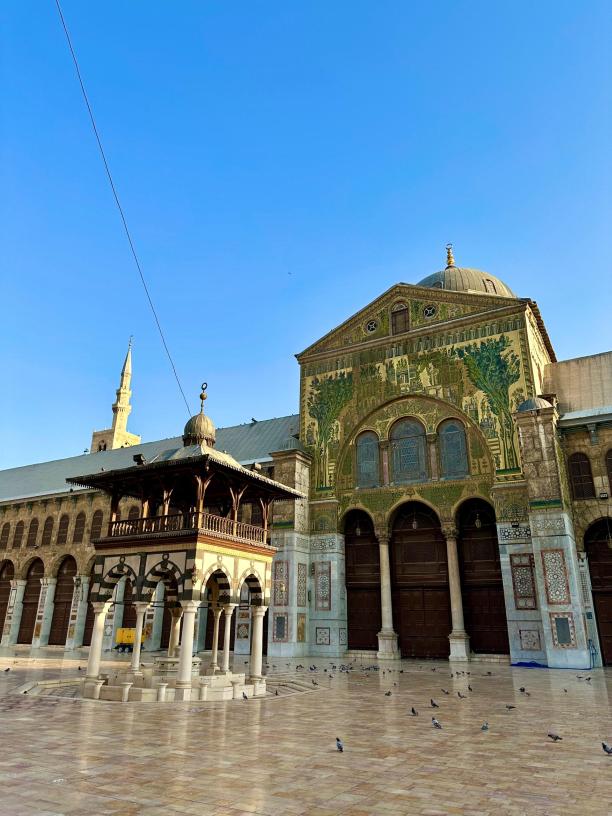
Damascus, known locally as Al-Sham, holds the extraordinary distinction of being the world's oldest continuously inhabited city, with evidence of settlement dating back to 8,000-10,000 BCE. This ancient metropolis has witnessed the rise and fall of countless civilizations, from the Arameans and Romans to the Umayyads and Ottomans, each leaving their indelible mark on its storied streets.
The heart of Damascus is the Umayyad Mosque (Great Mosque of Damascus), one of Islam's holiest sites and a masterpiece of early Islamic architecture built in the early 8th century. Its golden mosaics and octagonal Dome of the Clock pavilion are iconic symbols of the city. Nearby, the Straight Street (Souq Midhat Pasha) follows the path of the ancient Roman Via Recta, mentioned in the Bible as where Saul was led to regain his sight. The street is lined with Roman arches and bustling markets. Don't miss Khan As'ad Pasha, the largest caravanserai in the Old City, built in 1752, where merchants once rested and traded their goods. The Azem Palace showcases beautiful Ottoman residential architecture, while the Chapel of St. Ananias, one of the world's oldest churches, represents the city's deep Christian heritage.
Must-See Highlights
- Umayyad Mosque (8th-century Islamic masterpiece)
- Straight Street (ancient Roman Via Recta)
- Khan As'ad Pasha (Ottoman caravanserai)
- Azem Palace (Ottoman architecture)
- Chapel of St. Ananias (ancient Christian site)
- Al-Hamidiyeh Souq (historic covered market)
Aleppo
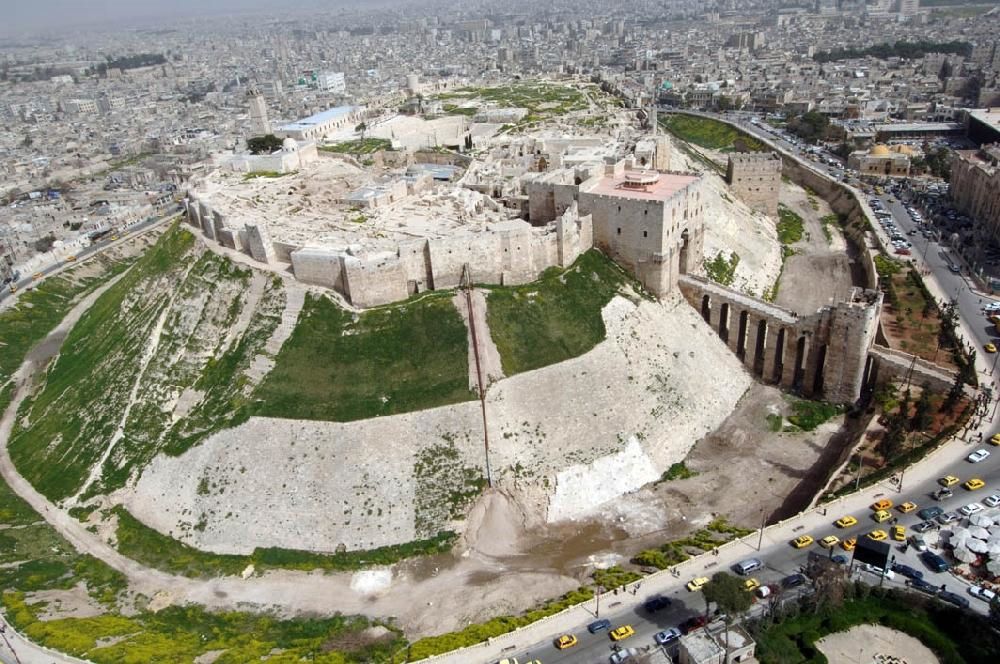
📍 Northern Syria | 36.2021° N, 37.1343° EAleppo (Halab) stands as one of the oldest cities in the world, with roots stretching back over 8,000 years to the third millennium BCE. Mentioned in ancient texts from Ebla and Mari, this northern Syrian metropolis flourished as a key stop on the Silk Road, where caravans from Asia and Europe exchanged goods, ideas, and cultures. The city's strategic location between the Mediterranean and the Euphrates made it a prize for empires including the Hittites, Assyrians, Romans, and Ottomans.
Dominating the skyline is the magnificent Aleppo Citadel, a massive medieval fortress built atop a hill that has been fortified since at least the 3rd millennium BCE. The citadel represents one of the most impressive examples of Arab military architecture from the 12th to 14th centuries, with its moat, walls, and towers telling stories of Crusaders and conquerors. Below the citadel lies the Al-Madina Souq, one of the world's largest covered markets, with over 13 kilometers of winding alleys dedicated to different trades—from textiles and spices to copper and gold. The Great Mosque of Aleppo, founded under the Umayyads and rebuilt in the 12th century, showcases the city's religious significance. Despite recent conflicts, Aleppo is rebuilding, with restoration projects bringing new life to its ancient monuments and a resilient spirit that defines this historic city.
Must-See Highlights
- Aleppo Citadel (medieval fortress)
- Al-Madina Souq (ancient covered market)
- Great Mosque of Aleppo (12th-century)
- Al-Jdeideh (historic Christian quarter)
- Bab al-Faraj Square (city center)
- Traditional hammams and caravanserais
Palmyra
📍 Homs Governorate | 34.5509° N, 38.2681° E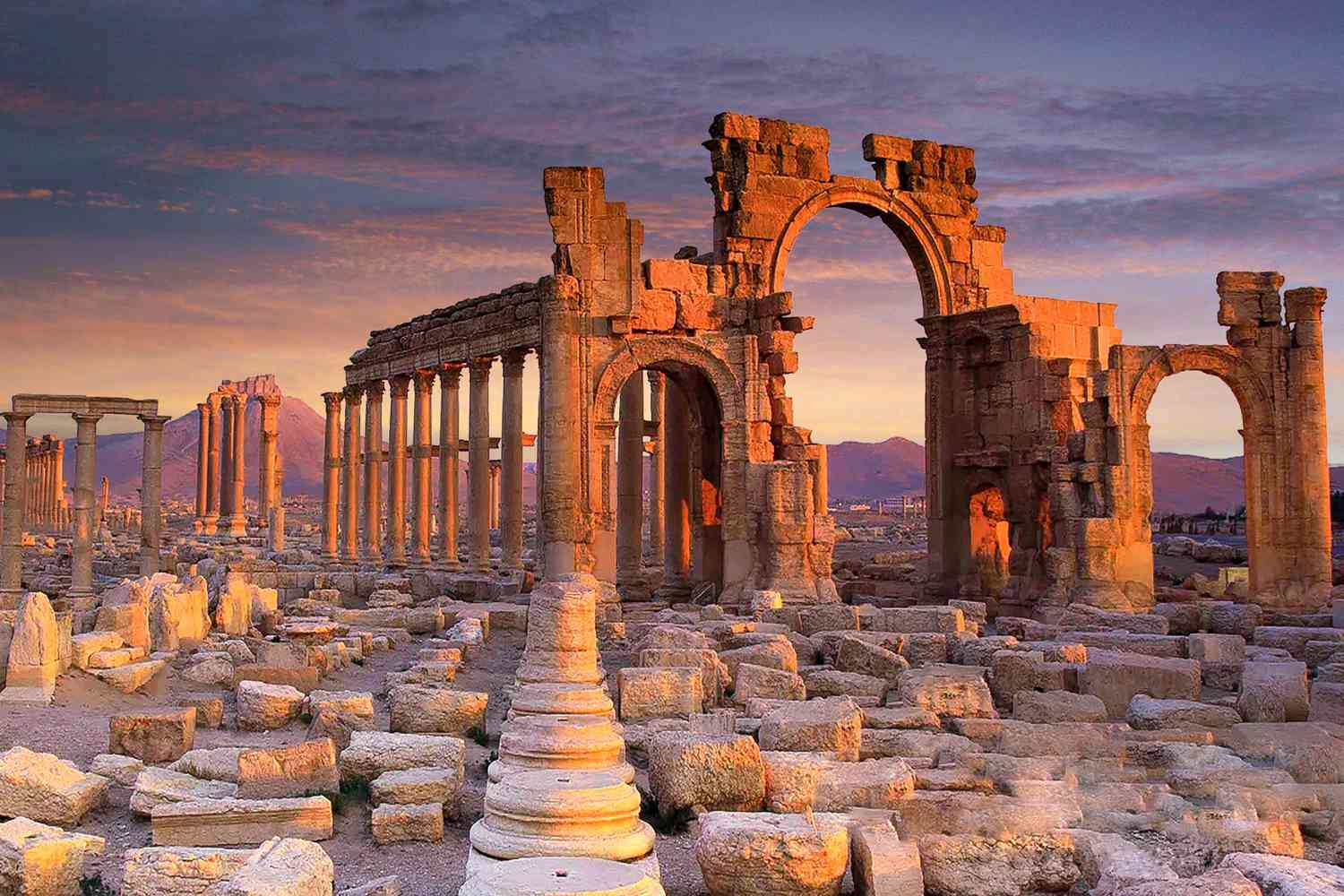
Rising from the Syrian desert like a mirage, Palmyra (Tadmor) stands as one of the most magnificent archaeological sites in the world. This ancient oasis city flourished from the 1st to the 2nd century CE as a vital caravan stop connecting Persia, India, and China with the Roman Empire. The unique art and architecture of Palmyra married Graeco-Roman techniques with local traditions and Persian influences, creating a distinctive style that influenced Western architecture for centuries.
The centerpiece of Palmyra is the Grand Colonnade, a 1,100-meter-long street lined with towering Corinthian columns that once formed the city's monumental axis. At one end stands the Temple of Ba'al, one of the most important religious buildings of the 1st century CE in the Middle East. The Arch of Triumph, though damaged, remains an iconic symbol of the city's former glory. The Roman Theater, with its semicircular seating and stage wall, once hosted performances for thousands. Outside the city walls lie the Valley of the Tombs, with tower-shaped burial monuments that housed the city's elite. Despite recent destruction, restoration efforts are underway to preserve this UNESCO World Heritage site, which remains a powerful testament to the grandeur of ancient civilizations and the resilience of human heritage.
Must-See Highlights
- Grand Colonnade (1,100-meter colonnaded street)
- Temple of Ba'al (ancient religious center)
- Arch of Triumph (monumental gateway)
- Roman Theater (ancient performance venue)
- Valley of the Tombs (tower tombs)
- Diocletian's Camp (Roman military complex)
Latakia
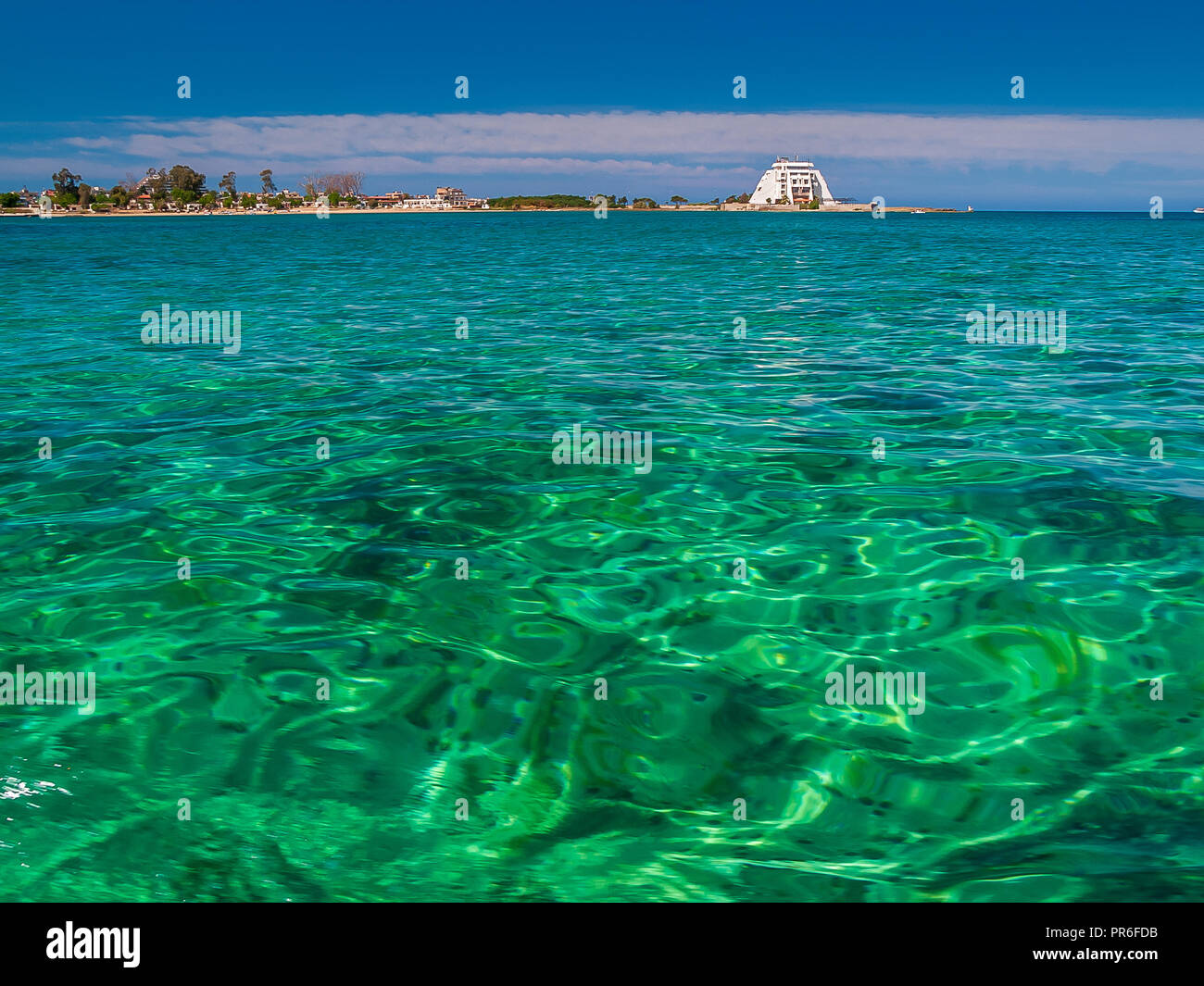
📍 Mediterranean Coast | 35.5317° N, 35.7908° ELatakia (Al-Ladhiqiyah) is Syria's principal port city and a gateway to the country's beautiful Mediterranean coastline. Founded by the Phoenicians in the 2nd millennium BCE and later named Laodicea by the Seleucids, this coastal city offers a refreshing contrast to Syria's inland desert landscapes. With its mild climate, sandy beaches, and turquoise waters, Latakia serves as the perfect place to relax and enjoy Syria's natural beauty.
The city is home to the ancient site of Ugarit (Ras Shamra), located just north of Latakia, where the world's first alphabet was discovered, revolutionizing human communication. In Latakia itself, the Citadel of Latakia offers panoramic views of the sea, while the Al-Mahaba Festival celebrates the region's culture and heritage. The nearby Sahel al-Sin (Blue Beach) and other coastal resorts offer pristine beaches and fresh seafood. The surrounding mountains hide treasures like the Salah al-Din Castle and Al-Marqab Castle, Crusader fortresses that once guarded this strategic coastline. Latakia's laid-back atmosphere, combined with its rich history and beautiful setting, makes it an essential stop on any Syrian itinerary.
Must-See Highlights
- Ugarit (Ras Shamra) - birthplace of the alphabet
- Latakia Citadel (historic fortress)
- Blue Beach (Mediterranean coastline)
- Salah al-Din Castle (Crusader fortress)
- Al-Marqab Castle (mountain fortress)
- Fresh seafood restaurants and cafes
Essential Travel Tips for Syria
Navigate the cradle of civilization with respect and awareness
Visa & Entry
Most nationalities require visas to enter Syria. Check current travel advisories and entry requirements before planning your trip. Some areas may have restrictions. Ensure your passport is valid for at least 6 months.
Dress Code
Syria is a conservative country. Dress modestly, especially when visiting religious sites—cover shoulders and knees. Women should carry a headscarf for mosques. In coastal areas like Latakia, dress codes are more relaxed.
Money Matters
Syrian Pound (SYP) is the currency. Due to international sanctions, credit cards are generally not accepted. Bring cash in USD or Euros and exchange at official money changers. ATMs are limited and may not work with foreign cards.
Culinary Delights
Don't miss kibbeh (bulgur and meat), fattoush salad, and Syrian kebabs. Try the famous Aleppo pepper and pistachios. Arabic coffee and sweet tea are ubiquitous. Street food like falafel and shawarma is delicious and affordable.
Language & Culture
Arabic is the official language. English is limited outside major hotels. Learn basic greetings: "Marhaba" (hello), "Shukran" (thank you). Syrians are famously hospitable—accepting tea invitations is a wonderful way to experience local culture.
Best Time to Visit
Spring (March-May) and Autumn (September-November) offer ideal temperatures. Summer (June-August) can be extremely hot, especially in Palmyra and Damascus. Winter is mild on the coast but cold in the interior.
Traveler Stories & Comments
Share your Syria experiences or ask questions below!
Just returned from an incredible journey through Syria! Walking through the Umayyad Mosque in Damascus was a spiritual experience I'll never forget. The people were incredibly welcoming despite everything they've been through. Palmyra at sunset is hauntingly beautiful.
Planning a trip to Syria later this year. Has anyone visited Krak des Chevaliers recently? I heard it's one of the best-preserved Crusader castles in the world. Also, any recommendations for local guides in Aleppo?
The food in Syria is absolutely incredible! Don't miss trying the Aleppo kebab and the famous pistachios from the region. The old souks are a photographer's paradise—every corner tells a story. Make sure to spend time just drinking tea with locals.