Pakistan Travel Guide
The Land of Pure Beauty & Hospitality
Pakistan, officially the Islamic Republic of Pakistan, is a country located in South Asia that often remains unexplored by the mainstream traveler—but that's precisely what makes it so special. With a population of over 240 million people, this nation boasts a rich tapestry of history dating back to the ancient Indus Valley Civilization around 2500 BCE. From the towering peaks of the Karakoram Range to the bustling streets of its historic cities, Pakistan offers an intoxicating blend of adventure, culture, and warmth that will capture your heart and imagination.
The name "Pakistan" literally translates to "Land of the Pure" in Urdu and Persian, and once you set foot here, you'll understand why. Whether you're seeking spiritual solace in magnificent mosques, trekking through valleys that rival Switzerland's beauty, or savoring some of the world's most flavorful cuisine, Pakistan delivers experiences that remain etched in your memory forever.
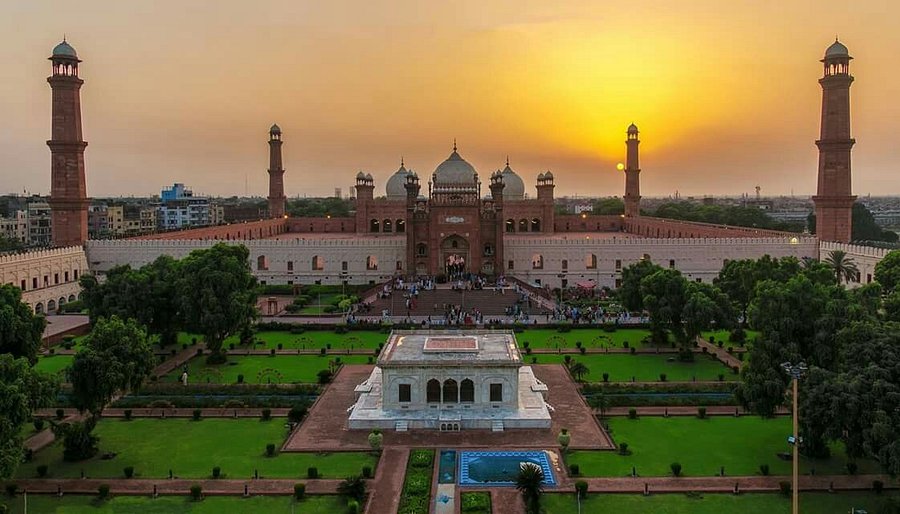
Known as the "Heart of Pakistan" and the cultural capital of the country, Lahore is a city that pulses with life, history, and incredible food. As the former capital of the Mughal Empire, Lahore carries an architectural heritage that leaves visitors breathless. The magnificent Badshahi Mosque, built in 1673, stands as one of the largest mosques in the world and showcases stunning red sandstone architecture against the setting sun.
Beyond the mosques, the Lahore Fort (a UNESCO World Heritage site) and the ethereal Shalimar Gardens offer glimpses into royal Mughal lifestyles. But Lahore isn't just about history—the famous Food Street near the fort serves up legendary dishes like Lahori chargha and spicy biryani that will set your taste buds dancing. The city's vibrant markets, particularly the Walled City, offer everything from intricate handicrafts to modern fashion. Don't miss the electrifying Wagah Border ceremony at sunset, where Pakistani and Indian border guards perform a synchronized flag-lowering ceremony full of pride and pageantry.
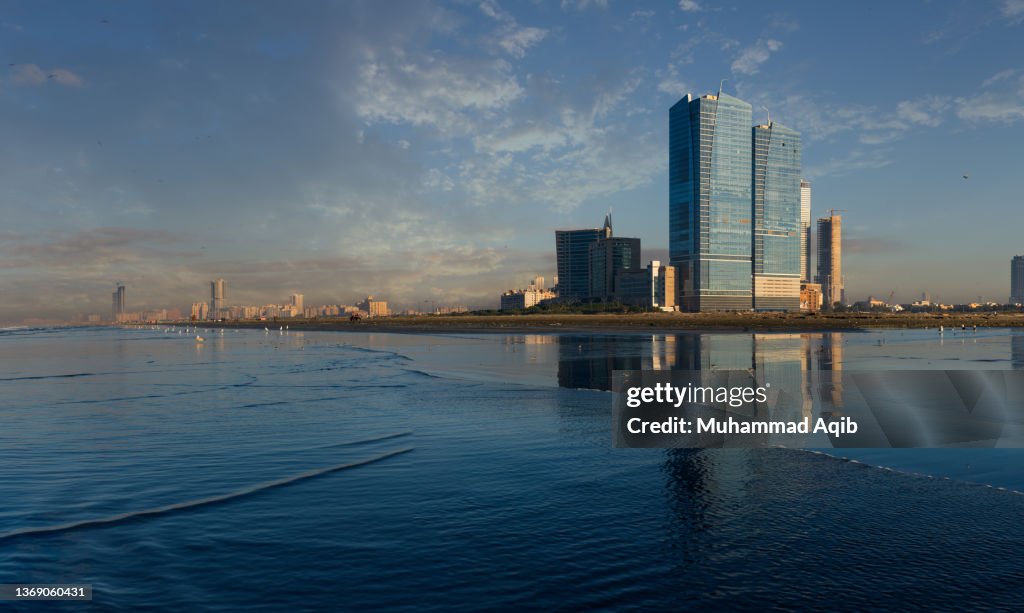
As Pakistan's largest city and one of the biggest cities in the world by population, Karachi is a sprawling metropolis where tradition meets modernity along the shores of the Arabian Sea. This is the country's economic powerhouse and industrial hub, but beyond the business districts lies a coastal city with surprising charm. Clifton Beach offers a refreshing escape from the urban chaos, where families gather to ride camels along the shore and sample fresh seafood from beachside vendors.
Karachi's diversity is its strength—visit the historic Mohatta Palace for a taste of colonial-era architecture, explore the vibrant art scene at the Frere Hall, or lose yourself in the bustling markets of Saddar. The city is also home to the stunning white-marble Mazar-e-Quaid, the final resting place of Pakistan's founder, Muhammad Ali Jinnah. As night falls, Karachi's famous Do Darya food street comes alive with lights and the aroma of grilled fish, offering dining experiences right by the lapping waves. This is a city that never sleeps, constantly evolving, yet deeply rooted in its mercantile history as an ancient port.
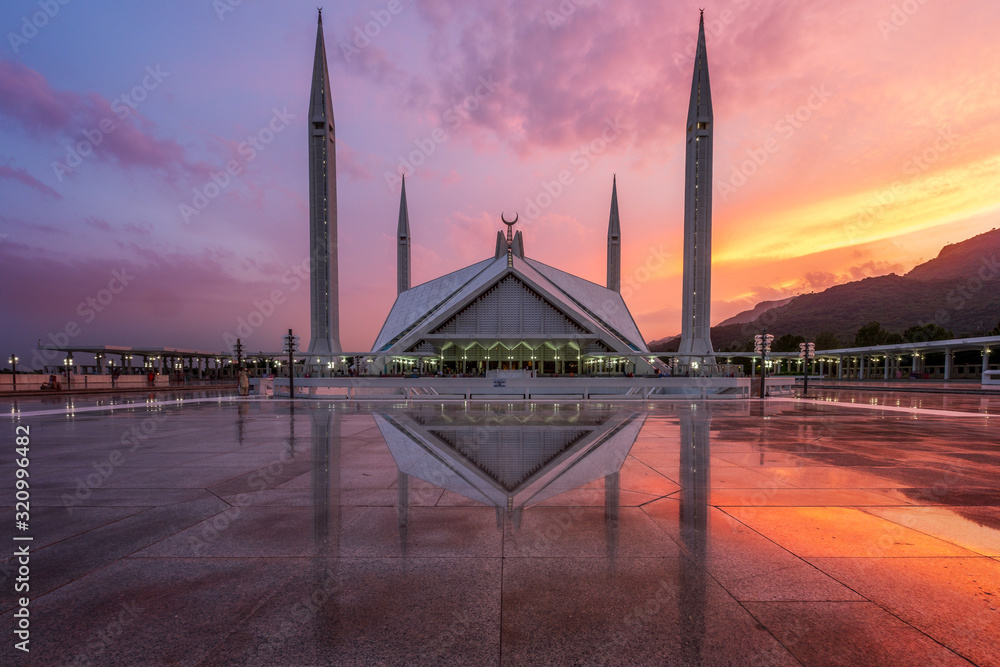
Planned and built in the 1960s to replace Karachi as the capital, Islamabad is unlike any other South Asian city. Known as the "City of Peace," it features wide, tree-lined avenues, modern architecture, and abundant green spaces that make it one of Asia's most livable cities. The crown jewel is undoubtedly the Faisal Mosque, designed by Turkish architect Vedat Dalokay. Its striking white marble structure resembles a Bedouin's tent, with four towering minarets reaching toward the sky, set against the backdrop of the lush Margalla Hills.
Islamabad serves as the perfect base for exploring northern Pakistan while offering its own tranquil attractions. Take a boat ride on Rawal Lake, hike the trails of Daman-e-Koh for panoramic city views, or explore the Lok Virsa Museum to understand Pakistan's diverse cultural heritage. The city's sectors are meticulously organized, each with its own character—from the diplomatic enclaves to the vibrant food streets of F-7 and F-10. Unlike the chaotic energy of Lahore or Karachi, Islamabad offers a serene, organized environment where you can actually hear birdsong amidst the urban landscape.
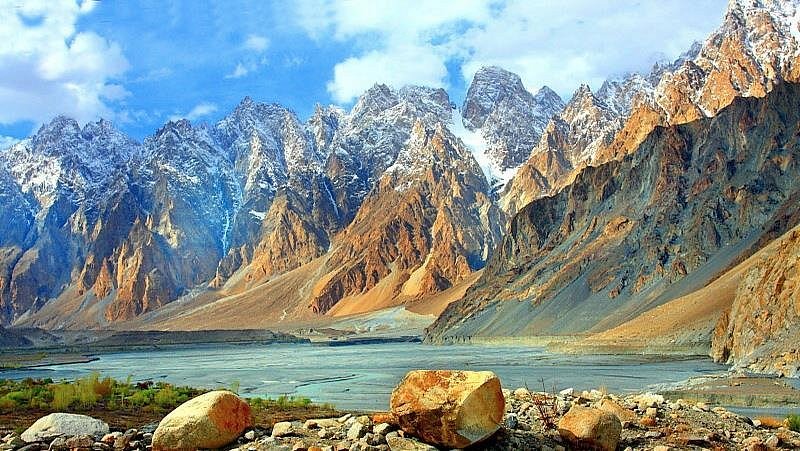
If there is one place in Pakistan that can truly be called paradise on Earth, it is the Hunza Valley. Nestled in the Karakoram Mountain Range along the ancient Silk Road, this valley is renowned for its breathtaking scenery, including some of the world's highest peaks like Rakaposhi (7,788 meters) and Ultar Sar. The valley's unique geography creates a landscape of dramatic contrasts—towering snow-capped peaks, glaciers that snake down to emerald rivers, and terraced fields of apricots and cherries that bloom spectacularly in spring.
The people of Hunza, known for their longevity and hospitality, welcome visitors into a culture that blends Central Asian and South Asian influences. The 700-year-old Baltit Fort, a UNESCO World Heritage site perched above Karimabad village, offers panoramic views that will leave you speechless. Drive along the Karakoram Highway—often called the Eighth Wonder of the World—to reach the Khunjerab Pass at 4,693 meters, the highest paved international border crossing in the world. Whether you're watching the sunrise paint the peaks golden at Duikar, sipping apricot juice in a local café, or simply breathing in the crystal-clear mountain air, Hunza has a magical quality that makes visitors want to return again and again.

Skardu serves as the gateway to four of the world's fourteen highest peaks, including the mighty K2, the second-highest mountain on Earth. Located at the confluence of the Indus and Shigar Rivers, this high-altitude desert town is surrounded by a landscape that seems otherworldly—vast sand dunes framed by snow-capped mountains, turquoise lakes that mirror the sky, and ancient forts that speak of centuries of history. The nearby Shangrila Resort (also known as Lower Kachura Lake) offers surreal beauty with its red-roofed huts set against turquoise waters.
For the adventurous, Skardu is the starting point for some of the world's greatest treks, including the journey to K2 Base Camp. But you don't need to be a mountaineer to appreciate Skardu's wonders. Visit the ancient Skardu Fort (Kharpocho) perched dramatically on a cliff overlooking the town, explore the serene Satpara Lake, or venture into the Deosai National Park—known as the "Land of Giants"—to spot Himalayan brown bears and golden marmots amid rolling plains that stretch to the horizon at over 4,000 meters elevation. The local Balti culture, with its Tibetan-influenced cuisine and Buddhist heritage sites, adds layers of richness to this already captivating destination.