
Myanmar Travel Guide
The Golden Land & Land of Pagodas
Myanmar, formerly known as Burma, is the largest country in mainland Southeast Asia and a land of breathtaking beauty, ancient temples, and rich cultural heritage. Known as the "Golden Land" for its glittering pagodas and the "Land of Pagodas" for the thousands of Buddhist temples scattered across its landscape, Myanmar offers travelers an authentic glimpse into a world that has remained largely unchanged for centuries. From the shimmering spires of Yangon to the temple-dotted plains of Bagan, this enchanting country captivates with its spiritual depth, natural beauty, and warm hospitality.
With a history dating back over 2,000 years, Myanmar boasts more than 10,000 Buddhist temples and some of the most spectacular archaeological sites in Asia. The country is home to 135 distinct ethnic groups, each contributing to a rich tapestry of traditions, languages, and customs. Whether you're watching the sunrise over thousands of ancient temples, cruising along the mighty Irrawaddy River, or encountering the unique leg-rowing fishermen of Inle Lake, Myanmar offers experiences that touch the soul and create memories to last a lifetime.
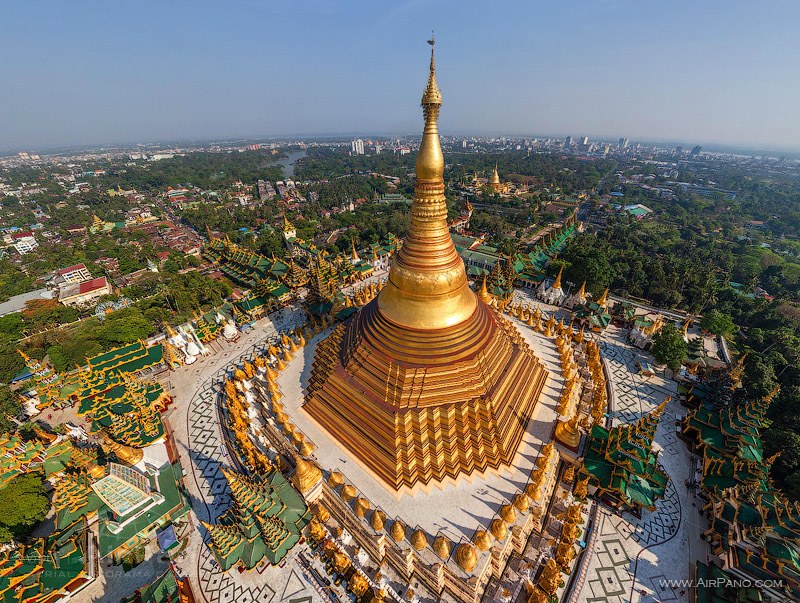
Myanmar's largest city and former capital, Yangon (formerly Rangoon) serves as the country's primary gateway and a fascinating blend of colonial architecture, bustling markets, and spiritual sanctuaries. The city's crown jewel is undoubtedly the Shwedagon Pagoda, a 99-meter golden stupa that dominates the skyline and is considered the most sacred Buddhist site in Myanmar. Believed to contain eight hairs of the Buddha and covered with up to 60 tons of gold leaf, the pagoda's diamond-encrusted spire sparkles magnificently at sunset, drawing pilgrims and visitors from around the world.
Beyond Shwedagon, Yangon offers the largest collection of colonial-era buildings in Southeast Asia, a legacy of British rule evident in the elegant architecture of downtown. Visit the Chauk Htat Gyi Pagoda to see a massive 65-meter reclining Buddha, or explore the bustling Bogyoke Aung San Market (Scott Market) with over 2,000 shops selling everything from precious gems and traditional longyi skirts to lacquerware and puppets. The city's vibrant street food scene, diverse neighborhoods including Indian Town and Chinatown, and the peaceful Kandawgyi Lake with its Karaweik Palace replica, make Yangon an essential introduction to Burmese culture and history.
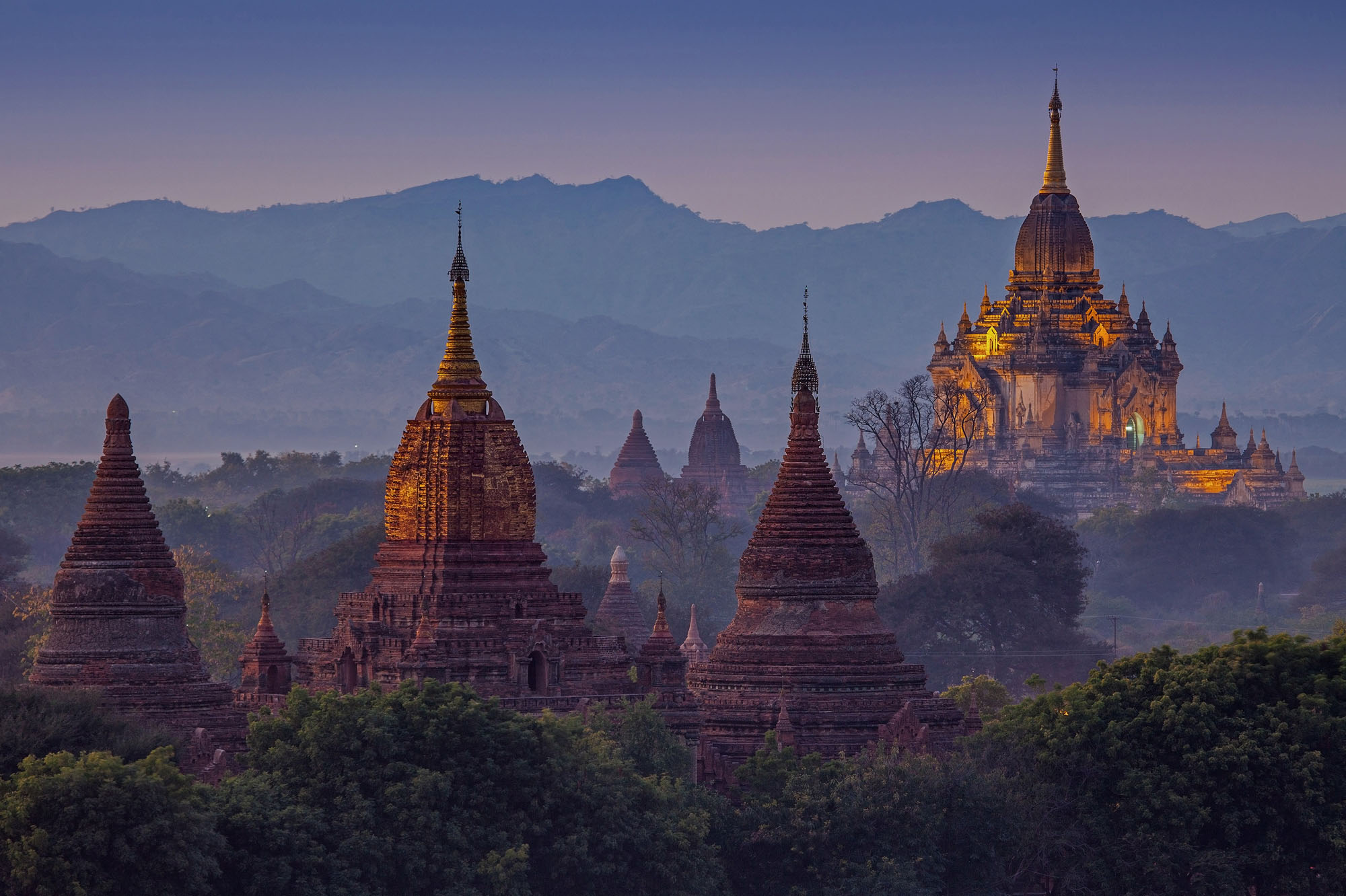
Imagine a landscape where thousands of ancient temples rise from the misty plains as far as the eye can see—this is Bagan, Myanmar's most awe-inspiring archaeological site and a UNESCO World Heritage treasure. From the 9th to the 13th centuries, Bagan was the capital of the Pagan Kingdom, and during its golden age, over 10,000 Buddhist temples, pagodas, and monasteries were constructed. Today, more than 2,200 structures remain, creating a surreal and magical landscape that rivals Angkor Wat in grandeur and exceeds it in accessibility and charm.
The best way to experience Bagan is by renting an e-bike and exploring the temple plains at your own pace, discovering hidden shrines and climbing to upper terraces for panoramic views. Don't miss the Ananda Temple, built in 1105 with its stunning architecture and four standing Buddha images, or the Shwezigon Pagoda, considered the prototype for all Burmese stupas. For an unforgettable experience, take a hot air balloon ride at sunrise to witness the temples emerge from the morning mist as the golden light bathes the plains—a sight that will remain etched in your memory forever. The nearby Mount Popa, an extinct volcano topped with a monastery, offers challenging hikes and spectacular views.
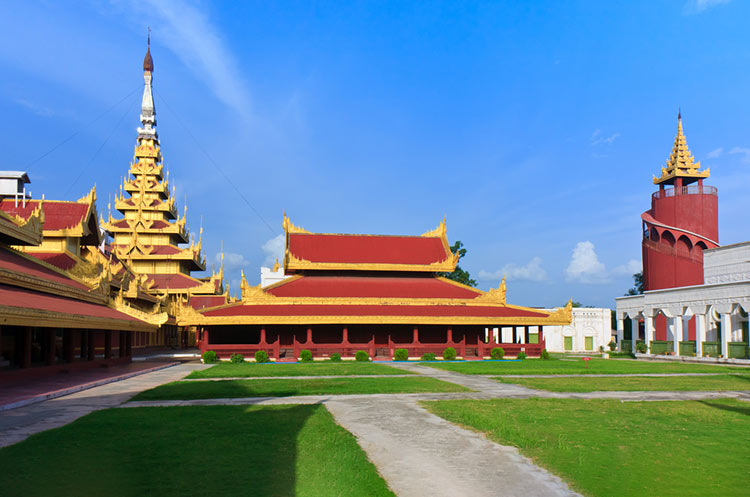
The last royal capital of the Burmese kingdom and the country's second-largest city, Mandalay is a cultural and religious center that embodies the soul of traditional Myanmar. The reconstructed Royal Palace, with its massive fortified walls and moat, offers a glimpse into Burma's regal past, while the surrounding area harbors four ancient capitals—Amarapura, Inwa, Sagaing, and Mingun—each with its own unique character and historical significance.
Visit the Mahamuni Pagoda, home to one of the country's most revered Buddha images covered in countless layers of gold leaf applied by devotees over centuries. The Shwenandaw Monastery, the only surviving building from the original Royal Palace, showcases exquisite teak carvings depicting Buddhist myths. Don't miss the U Bein Bridge in nearby Amarapura—the world's longest teak bridge stretching 1.2 kilometers across Taungthaman Lake. At sunset, the bridge becomes a silhouette of life as monks, locals, and tourists cross its weathered planks, creating one of Myanmar's most photogenic scenes. Mandalay is also the center of traditional arts, including gold leaf making, wood carving, and tapestry, offering visitors the chance to witness master craftspeople at work.
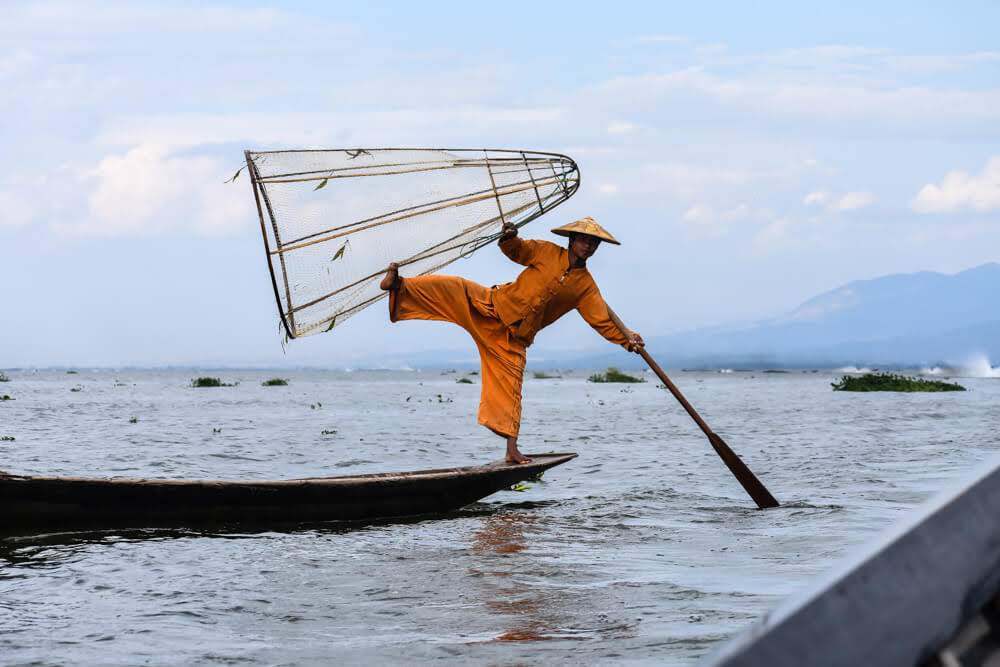
Nestled in the misty mountains of Shan State, Inle Lake is a magical water world where entire communities live, work, and worship on the water. This vast freshwater lake is famous for its unique "leg-rowing" fishermen who balance on one leg while wrapping the other around an oar to propel their boats—a technique that allows them to see over the reeds and navigate the shallow waters. The lake's surface is dotted with floating gardens, stilted villages, and wooden monasteries that seem to float on the water's mirror-like surface.
Take a longtail boat tour to witness the daily life of the Intha people, visit the Phaung Daw Oo Pagoda with its five sacred Buddha images covered in gold leaf, or explore the floating markets that rotate between different villages on a five-day schedule. The Indein Pagodas, a collection of hundreds of ancient stupas partially covered in vegetation, create an atmospheric and mystical scene. Visit local workshops to see traditional silk weaving from lotus stems, silver crafting, and cheroot making. For active travelers, the trek from nearby Kalaw to Inle Lake offers a three-day journey through scenic hills, tea plantations, and ethnic minority villages, staying in local homes along the way. The cool mountain air and stunning scenery make Inle Lake a refreshing contrast to Myanmar's hotter lowlands.
💬 Traveler Comments
Leave a Comment