
Kuwait Travel Guide
Discover the Pearl of the Gulf & Arabian Heritage
Kuwait, officially the State of Kuwait, is a captivating gem nestled at the northern tip of the Arabian Gulf, where rich Bedouin traditions blend seamlessly with cosmopolitan modernity. Though modest in size, this oil-rich emirate packs an impressive array of experiences into its compact territory—from glittering skyscrapers and luxury shopping malls to ancient archaeological sites and pristine island retreats. Unlike its flashier Gulf neighbors, Kuwait maintains an authentic Arabian atmosphere where traditional dhows still sail past futuristic towers, and ancient souks thrive alongside contemporary art galleries.
With a history stretching back to ancient Mesopotamian trade routes, Kuwait rose to prominence in the 18th century as a bustling pearl-diving and trading port. Today, the country welcomes visitors with genuine Arabian hospitality, world-class museums, and a vibrant cultural scene that reflects its position as a historic crossroads between East and West. Whether you're marveling at the iconic Kuwait Towers, exploring the labyrinthine alleys of Souk Al-Mubarakiya, or escaping to the tranquil beaches of the offshore islands, Kuwait offers a sophisticated Gulf experience steeped in authenticity and tradition.

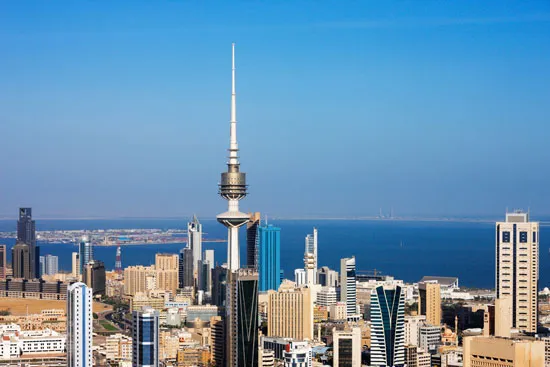
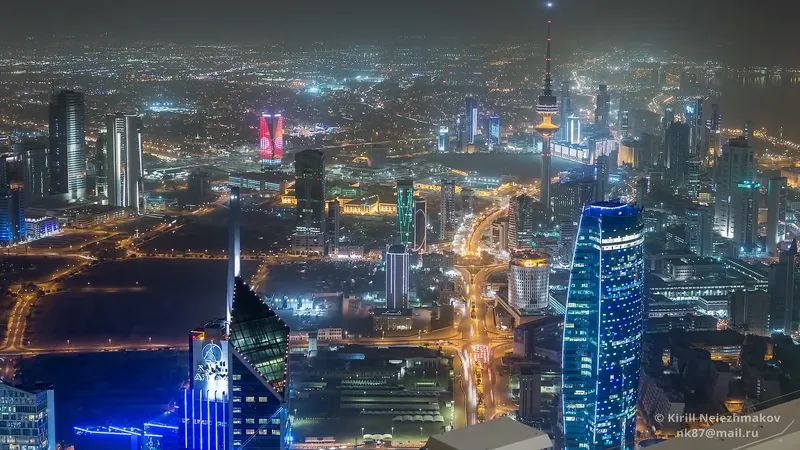
The dynamic capital of Kuwait, Kuwait City stands as a striking testament to the country's remarkable transformation from humble fishing village to modern metropolis. The skyline is dominated by the iconic Kuwait Towers, three sleek structures featuring distinctive blue-green spheres that house viewing decks and restaurants offering panoramic views of the azure Gulf waters. These architectural marvels have become the symbol of modern Kuwait since their completion in 1979, with the main tower's rotating observation deck providing a 360-degree perspective of the city's impressive urban landscape.
Beyond the towers, the city reveals layers of cultural richness. The Grand Mosque, the largest mosque in Kuwait, welcomes visitors to admire its stunning Andalusian-inspired architecture and intricate Islamic calligraphy, accommodating up to 10,000 worshippers. For a taste of authentic Kuwaiti commerce, wander through Souk Al-Mubarakiya, a traditional marketplace dating back over 200 years where the aroma of spices, oud perfume, and Arabic coffee fills the air. Here, merchants sell everything from hand-woven textiles and traditional daggers to gold jewelry and fresh dates. The nearby Kuwait National Museum and the stunning Sheikh Jaber Al-Ahmad Cultural Centre showcase the country's commitment to preserving and celebrating its heritage while embracing contemporary artistic expression.
Located 32 kilometers west of the capital, Al Jahra offers visitors a glimpse into Kuwait's traditional desert heritage and agricultural roots. Historically a vital trading post on the caravan routes between the Arabian interior and the coast, this ancient settlement is most famously associated with the 1920 Battle of Jahra, a pivotal moment in Kuwaiti history celebrated as a testament to the nation's resilience. Today, the city serves as the capital of the Al Jahra Governorate and remains an important cultural center where Bedouin traditions remain strong.
The city is surrounded by fertile agricultural lands made possible by extensive groundwater reserves, creating a surprising patchwork of green farms and date palm groves against the desert backdrop. The Red Fort (Qasr Al-Ahmar), a historic fortress that played a crucial role in the 1920 battle, stands as a monument to Kuwaiti courage and independence. Visitors can also explore the vibrant Al Jahra Traditional Market, famous for its livestock auctions and traditional crafts. Nearby, the Kazma Desert offers thrilling dune bashing experiences and desert camping under star-filled skies, while the area's traditional mud-brick architecture provides a stark contrast to Kuwait City's modern skyscrapers, making Al Jahra essential for understanding the country's deeper cultural foundations.
Situated south of Kuwait City along the azure coastline, Al Ahmadi represents the heartbeat of Kuwait's petroleum industry and the source of the nation's prosperity. Established in 1946 by the Kuwait Oil Company, this planned city was named after the late Sheikh Ahmad Al-Jaber Al-Sabah and was designed with wide streets, abundant green spaces, and distinctive red-roofed residential buildings that give the city its unique character. Unlike the dense urban core of the capital, Al Ahmadi offers a relaxed, suburban atmosphere with well-maintained parks and coastal promenades.
The Al Ahmadi Oil Town itself is a fascinating example of mid-20th century urban planning, with its tree-lined boulevards and charming British-influenced architecture reflecting the international partnerships that developed Kuwait's oil sector. Visitors can explore the KOC Showrooms to learn about the petroleum industry that transformed this nation, while the nearby Ahmadi Park offers a pleasant retreat with its lush gardens and family-friendly facilities. The city's coastal location provides access to beautiful beaches along the Gulf Road, where locals gather for evening picnics and seaside strolls. Al Ahmadi also serves as the gateway to southern Kuwait's attractions, including the Al Zour beaches and the border region where the desert meets the sea in dramatic fashion.
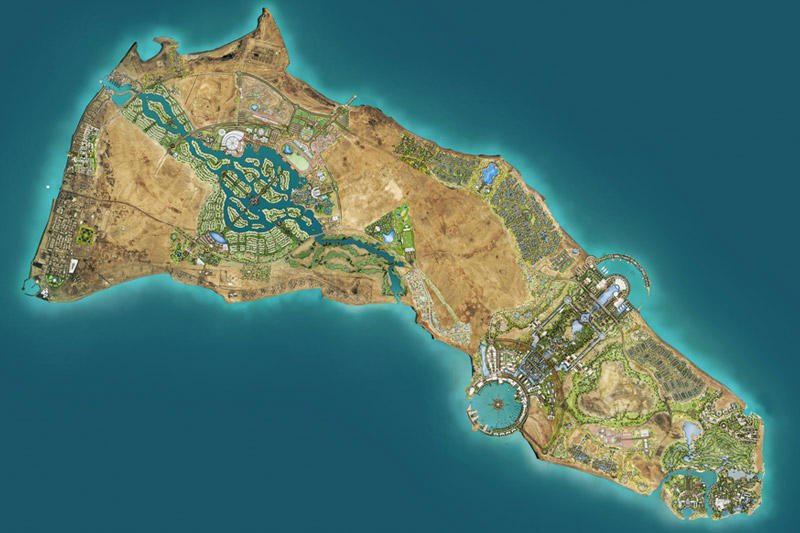
Just a 30-minute ferry ride from the mainland, Failaka Island offers a fascinating journey through time and a peaceful escape from urban life. This enchanting island bears the traces of 4,000 years of continuous human habitation, from the Bronze Age Dilmun civilization through Greek colonization in the 4th century BCE to modern Kuwaiti settlement. The island's name derives from the ancient Greek word for "outpost," and visitors can still explore remarkably preserved Greek temple ruins, bronze age archaeological sites, and traditional Kuwaiti houses that tell the story of this strategic outpost on ancient maritime trade routes.
Beyond its rich archaeological significance, Failaka captivates visitors with its serene beaches, traditional fishing villages, and rustic charm. The island was heavily fortified during the Iraqi invasion in 1990, and visitors can see remnants of the conflict alongside ancient ruins—a poignant reminder of Kuwait's recent history. Today, the Failaka Heritage Village offers authentic cultural experiences including traditional Kuwaiti cuisine, camel rides, and overnight stays in traditional lodgings. The island's clear waters make it ideal for swimming and snorkeling, while its unspoiled landscapes provide excellent opportunities for photography and nature watching. Whether you're exploring the Al-Qusur archaeological site or simply enjoying fresh fish by the seaside, Failaka offers a unique blend of history and tranquility that captures the essence of old Kuwait.
💬 Traveler Comments
Leave a Comment