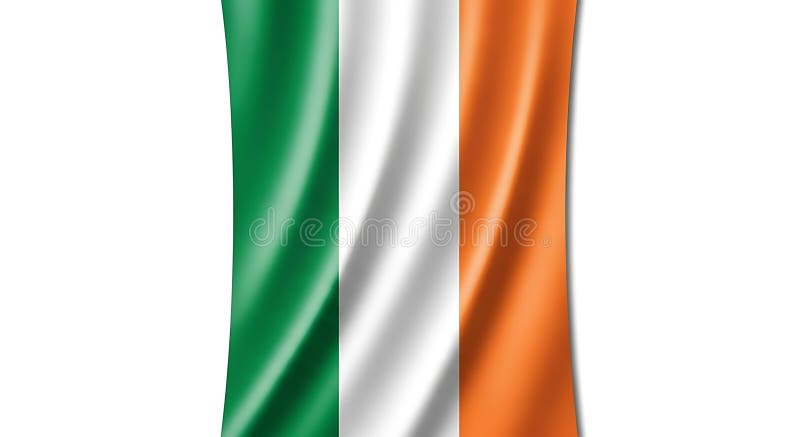
The Irish Tricolor: Green for Catholics, white for peace, orange for Protestants—united in harmony
Where Ancient History Meets Legendary Hospitality
The Irish Tricolor: Green for Catholics, white for peace, orange for Protestants—united in harmony
Welcome to Ireland (Éire), the land of saints and scholars, poets and rebels—a small island that has cast a giant shadow across world history. First settled around 6000 B.C. by hunter-gatherers, Ireland became the stronghold of Celtic culture around 700 B.C., developing a unique civilization that produced the Book of Kells, Newgrange (older than Stonehenge), and a mythological tradition that still captivates the world today [^56^][^57^].
The Viking invasions of the 9th century brought the founding of Dublin, while the Norman invasion of 1170 began 800 years of British rule. The Great Famine of 1845-1849 devastated the island, reducing the population by 30% through death and emigration—sending Irish diaspora across the globe, particularly to America [^54^]. After the Easter Rising of 1916 and the War of Independence, Ireland became a self-governing dominion in 1922, with the Republic fully established in 1949 [^54^][^56^].
Today, Ireland is a modern European nation of 5 million people, yet it remains fiercely connected to its past. Gaelic (Irish) is still spoken as a first language in Gaeltacht areas, ancient monuments dot the landscape, and the traditional music session remains the heartbeat of social life. Whether you're tracing your ancestry, hunting for fairies in ancient woodlands, or simply enjoying the legendary "craic" (good fun), Ireland offers a warmth and magic found nowhere else.
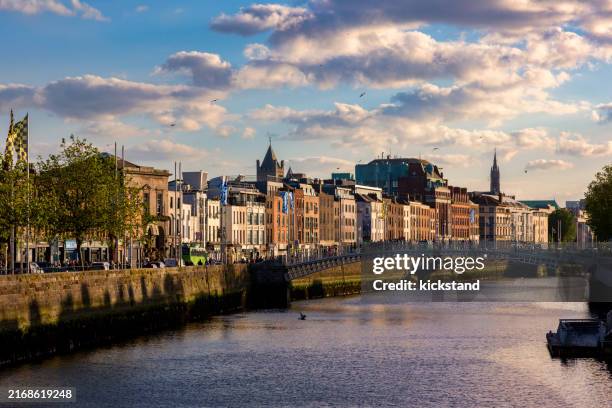
Ireland's vibrant capital is a city of literary giants—Joyce, Yeats, Wilde, and Beckett all walked these cobblestone streets. Today, Dublin buzzes with energy, from the tech boom that earned it the nickname "Silicon Docks" to the timeless traditions found in its historic pubs [^49^].
Start your morning with a walk along the River Liffey, crossing the iconic Ha'penny Bridge. Spend an afternoon exploring St. Stephen's Green, then settle into a pub for an evening of traditional music sessions where locals and visitors alike become friends over pints. Dublin manages to be both cosmopolitan and cozy—a city that welcomes you like an old friend.

They say Galway is where you go to find the "real" Ireland—and they're right. This bohemian city on Ireland's west coast is the country's cultural capital, where traditional music spills from every doorway and the Irish language is still heard on the streets [^49^][^51^]. Known as the "City of Tribes" after the 14 merchant families who ruled in medieval times, Galway today is young, artistic, and endlessly welcoming.
Wander the medieval lanes of the Latin Quarter, stopping for fresh oysters from Galway Bay with a squeeze of lemon. Walk the 2-kilometer Salthill Promenade ("kick the wall" at Blackrock for good luck—a local tradition!). In July, the city explodes with the Galway International Arts Festival; in September, the Oyster Festival draws food lovers from around the world. Don't miss the nearby Aran Islands, where ancient stone forts cling to cliff edges and time seems to have stopped centuries ago.
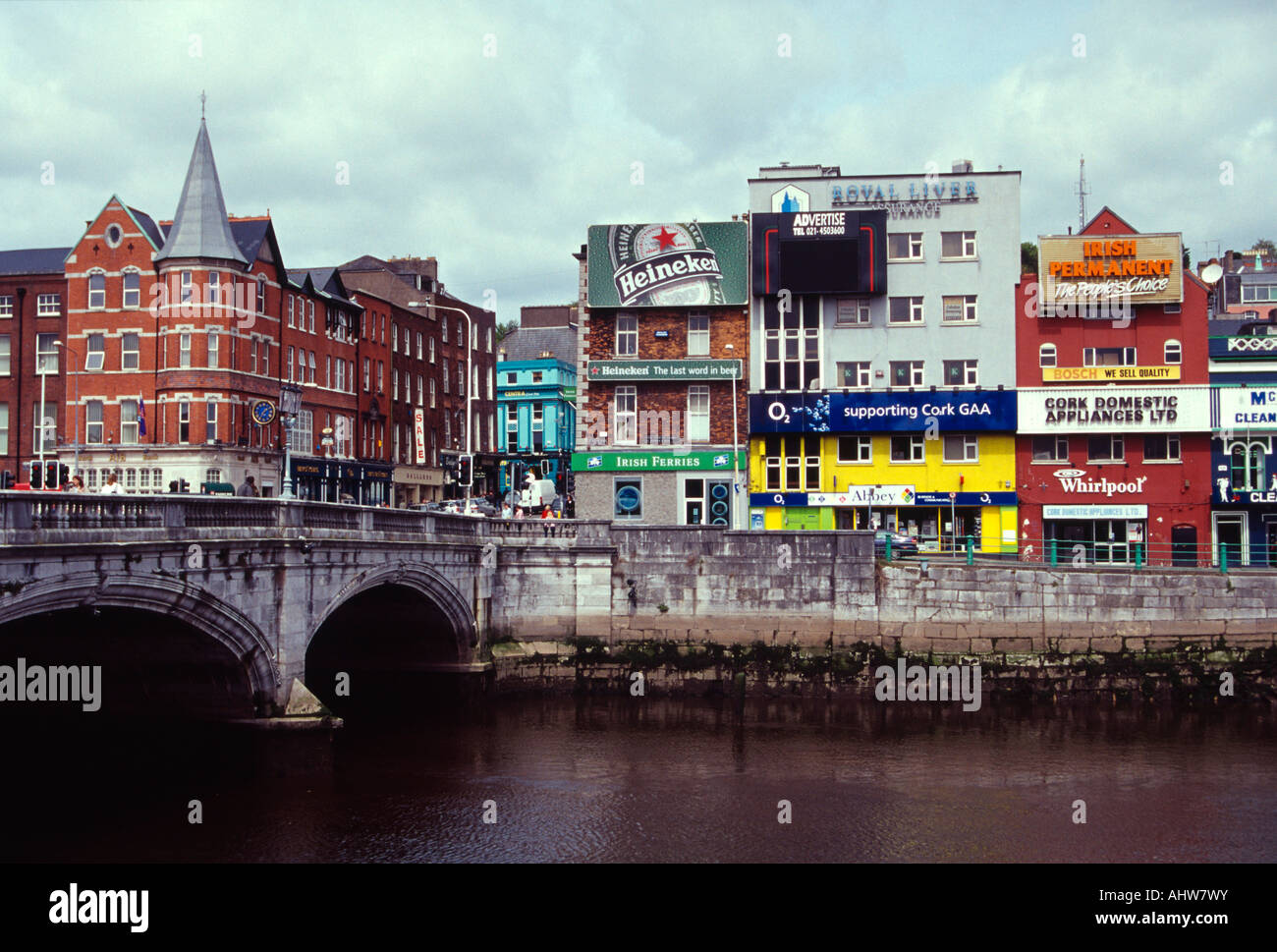
Don't call it the second city—Corkonians will proudly tell you it's the "real capital of Ireland." And they have reason to boast. Cork is a city of islands and bridges, spreading across the River Lee with a distinct identity and a food scene that rivals anywhere in Europe [^49^][^52^].
The English Market is the beating heart of Cork—a Victorian covered market where vendors sell everything from artisanal cheeses to fresh seafood, black pudding, and local honey. It's where Queen Elizabeth II visited in 2011, and where you should grab a coffee and watch Cork life unfold. Just 15 minutes away stands Blarney Castle, where hanging upside-down to kiss the famous stone supposedly grants the "gift of the gab" (eloquence) [^49^].
Cork's rebellious spirit dates back to the War of Independence, and that defiant energy still fuels the city's vibrant arts scene and innovative restaurants. St. Fin Barre's Cathedral dominates the skyline with its Gothic spires, while the city's narrow lanes hide craft breweries, independent galleries, and pubs where the conversation flows as freely as the Murphy's stout.
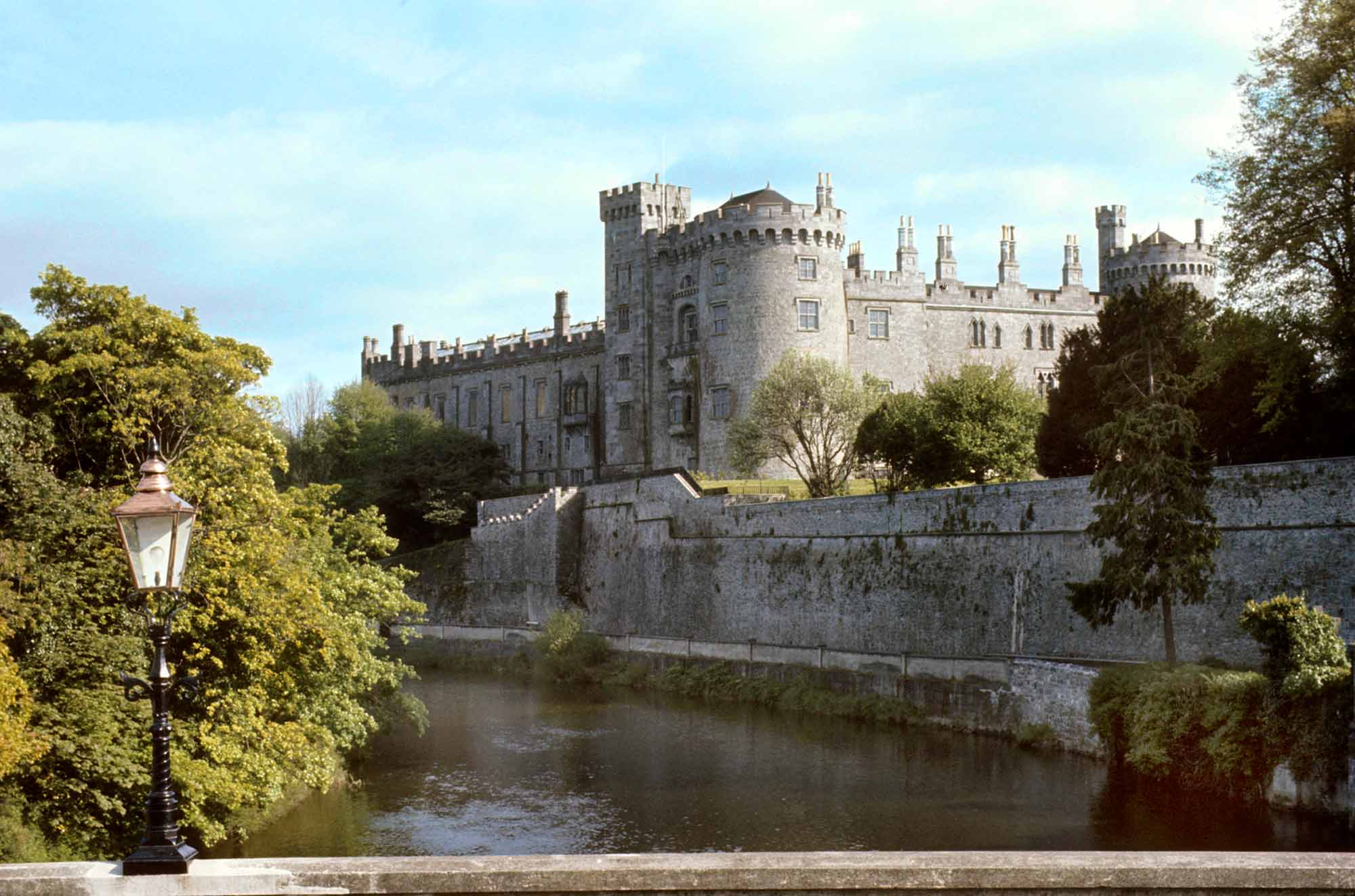
Step back in time in Kilkenny, Ireland's best-preserved medieval city. With its narrow lanes, ancient stone buildings, and one of the country's most magnificent castles, Kilkenny feels like a living museum—except this museum has excellent restaurants, vibrant festivals, and some of Ireland's finest craft studios [^49^][^52^].
Kilkenny Castle dominates the town, its 800-year-old walls rising dramatically above the River Nore. The castle gardens slope down to the water—perfect for a picnic on a sunny day. Climb the 100-foot round tower at St. Canice's Cathedral for panoramic views across the city rooftops and surrounding countryside.
Kilkenny is known as the "Marble City" for its distinctive black limestone, and the local craft tradition thrives today in workshops producing pottery, glass, and jewelry. The Kilkenny Cat Laughs comedy festival draws international performers, while medieval pubs like Kyteler's Inn—once owned by a woman accused of witchcraft in the 14th century—serve pints in atmospheric surroundings that haven't changed in centuries.
Ireland isn't just a destination—it's an experience that seeps into your soul. It's the warmth of strangers who become friends over a pint. It's the eerie beauty of ancient stone circles shrouded in morning mist. It's the sound of fiddles and bodhráns spilling from a pub doorway as rain softly falls on cobblestones.
The Irish have a saying: "Céad míle fáilte"—a hundred thousand welcomes. And indeed, the welcome is genuine, the laughter is hearty, and the stories are endless. Whether you're tracing your roots in a county records office, hiking the dramatic Cliffs of Moher, or simply enjoying a quiet moment in a country churchyard, Ireland offers something rare in today's world: a place where the past is cherished, the present is celebrated, and every visitor is treated like family returning home.
So raise a glass of the black stuff, learn a few words of Gaelic, and let the Emerald Isle work its magic on you. Sláinte!