The Islamic Republic of Iran
Iran, historically known as Persia, is a country of extraordinary contrasts and timeless beauty. Nestled between the Gulf of Oman, the Persian Gulf, and the Caspian Sea, this ancient land boasts one of the world's oldest continuous civilizations, dating back over 5,000 years. From the snow-capped peaks of the Alborz mountains to the sun-baked deserts of Dasht-e Kavir, Iran's diverse landscapes are matched only by the warmth of its people and the richness of its cultural heritage.
Once the heart of the mighty Persian Empire, modern Iran preserves an astonishing array of architectural wonders, from the ancient ruins of Persepolis to the intricate blue-tiled mosques of Isfahan. The country's strategic position on the Silk Road has blessed it with a unique fusion of cultures, traditions, and artistic expressions that continue to captivate travelers seeking authentic experiences.
Beyond the headlines lies a nation of poets, gardens, and hospitality—a place where strangers are welcomed as friends and where every cup of tea comes with a side of genuine conversation. Whether you're wandering through the labyrinthine bazaars, marveling at Islamic architecture, or sharing stories with locals over traditional kebabs, Iran promises a journey that will challenge your perceptions and steal your heart.
Isfahan
📍 Central Iran | 32.6546° N, 51.6680° E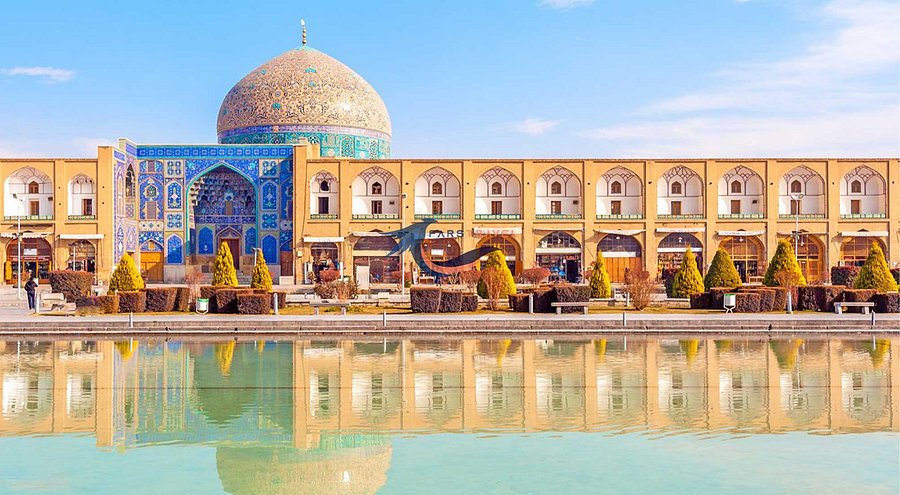
Known as "Nesf-e Jahan" (Half of the World), Isfahan stands as Iran's crown jewel of architecture and urban planning. This UNESCO World Heritage city served as the capital during the Safavid dynasty (16th-18th centuries), when Shah Abbas the Great transformed it into one of the world's most magnificent cities. The result is a masterpiece of Persian-Islamic architecture that continues to leave visitors breathless.
At the heart of Isfahan lies the Naqsh-e Jahan Square (Imam Square), the second-largest square in the world after Tiananmen. Surrounded by stunning turquoise-tiled mosques, the elegant Ali Qapu Palace, and the labyrinthine Grand Bazaar, this square represents the pinnacle of Safavid urban design. As the sun sets, locals gather to picnic, sing traditional songs under the Khaju Bridge's arches, and celebrate life in this living museum.
Must-See Highlights
- Naqsh-e Jahan Square & Imam Mosque (blue-tiled masterpiece)
- Sheikh Lotfollah Mosque (the "peacock dome")
- Si-o-se-pol Bridge (33 arches of elegance)
- Chehel Sotoun Palace (Forty Columns)
- Vank Cathedral in the Armenian Quarter
- Traditional handicrafts: minakari enamelwork & khatam marquetry
Shiraz
📍 Fars Province | 29.5926° N, 52.5836° EThe city of poets, gardens, and nightingales, Shiraz has been Iran's cultural capital for over 2,000 years. This is the land of Hafez and Saadi, whose verses are still recited in homes across the Persian-speaking world. Shiraz embodies the Persian aesthetic ideal—a place of rose gardens, citrus-scented air, and a laid-back atmosphere that encourages contemplation and creativity.
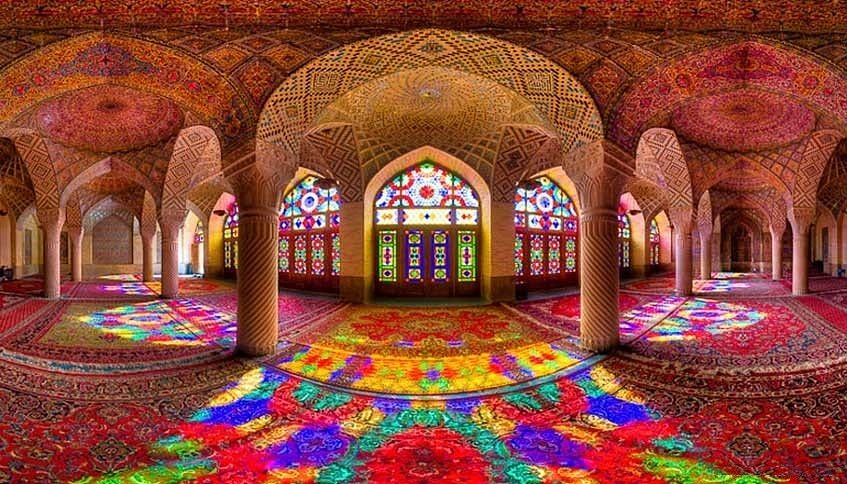
Shiraz's most iconic treasure is the Nasir al-Mulk Mosque, affectionately known as the "Pink Mosque." Built in 1888, this architectural gem comes alive at sunrise when colored light streams through its stained-glass windows, painting the Persian carpets with kaleidoscopic patterns. But Shiraz is also the gateway to Persepolis, the ceremonial capital of the Achaemenid Empire, where towering columns and intricate bas-reliefs tell stories of ancient glory.
Must-See Highlights
- Nasir al-Mulk Mosque (Pink Mosque) at sunrise
- Persepolis (UNESCO World Heritage ancient ruins)
- Tomb of Hafez (poet's shrine and garden)
- Eram Garden (Persian paradise garden)
- Vakil Bazaar & Mosque
- Shah-e Cheragh Shrine (mirror-work masterpiece)
Tehran
📍 Northern Iran | 35.6892° N, 51.3890° E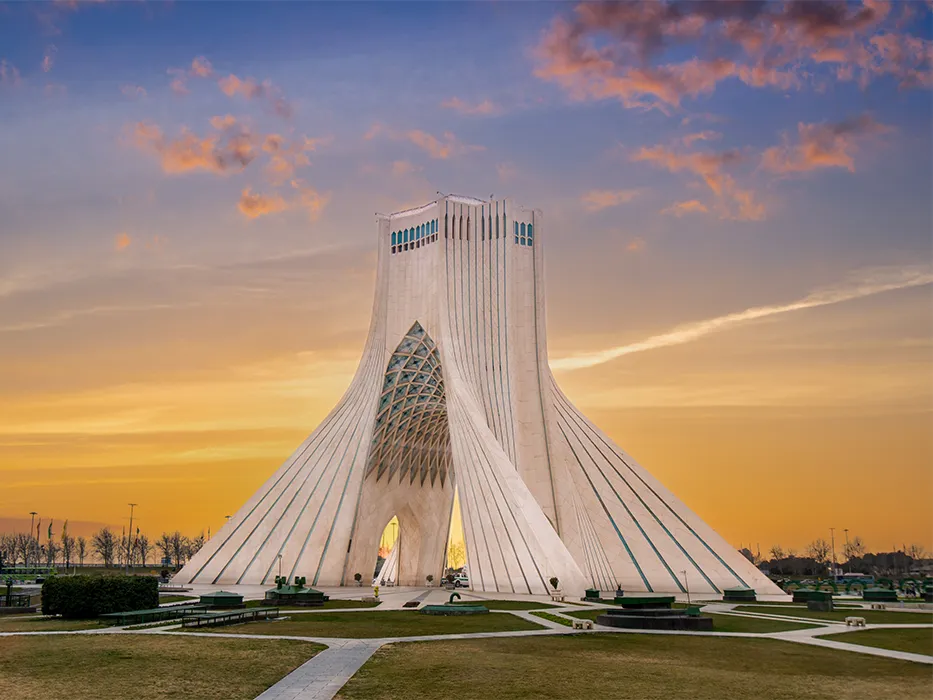
Bustling, chaotic, and utterly captivating, Tehran is Iran's beating heart—a megacity of 15 million people nestled against the dramatic backdrop of the Alborz Mountains. While often overlooked by travelers rushing to historical cities, Tehran offers a fascinating glimpse into modern Iran, where traditional tea houses coexist with contemporary art galleries and bustling bazaars neighbor sleek cafes.
The iconic Azadi Tower (Freedom Tower) stands as the symbol of the city, its modernist architecture inspired by pre-Islamic and Islamic motifs. Tehran is home to world-class museums including the National Museum of Iran, the Crown Jewels Museum (housing the world's largest uncut diamond), and the contemporary Tehran Museum of Contemporary Art. The city's northern districts offer mountain retreats, while the Grand Bazaar remains one of the Middle East's largest covered markets.
Must-See Highlights
- Azadi Tower (landmark monument)
- Golestan Palace (UNESCO Qajar-era complex)
- National Museum of Iran
- Treasury of National Jewels
- Darband Mountain Resort (hiking & dining)
- Tabiat Bridge (modern architectural marvel)
Yazd
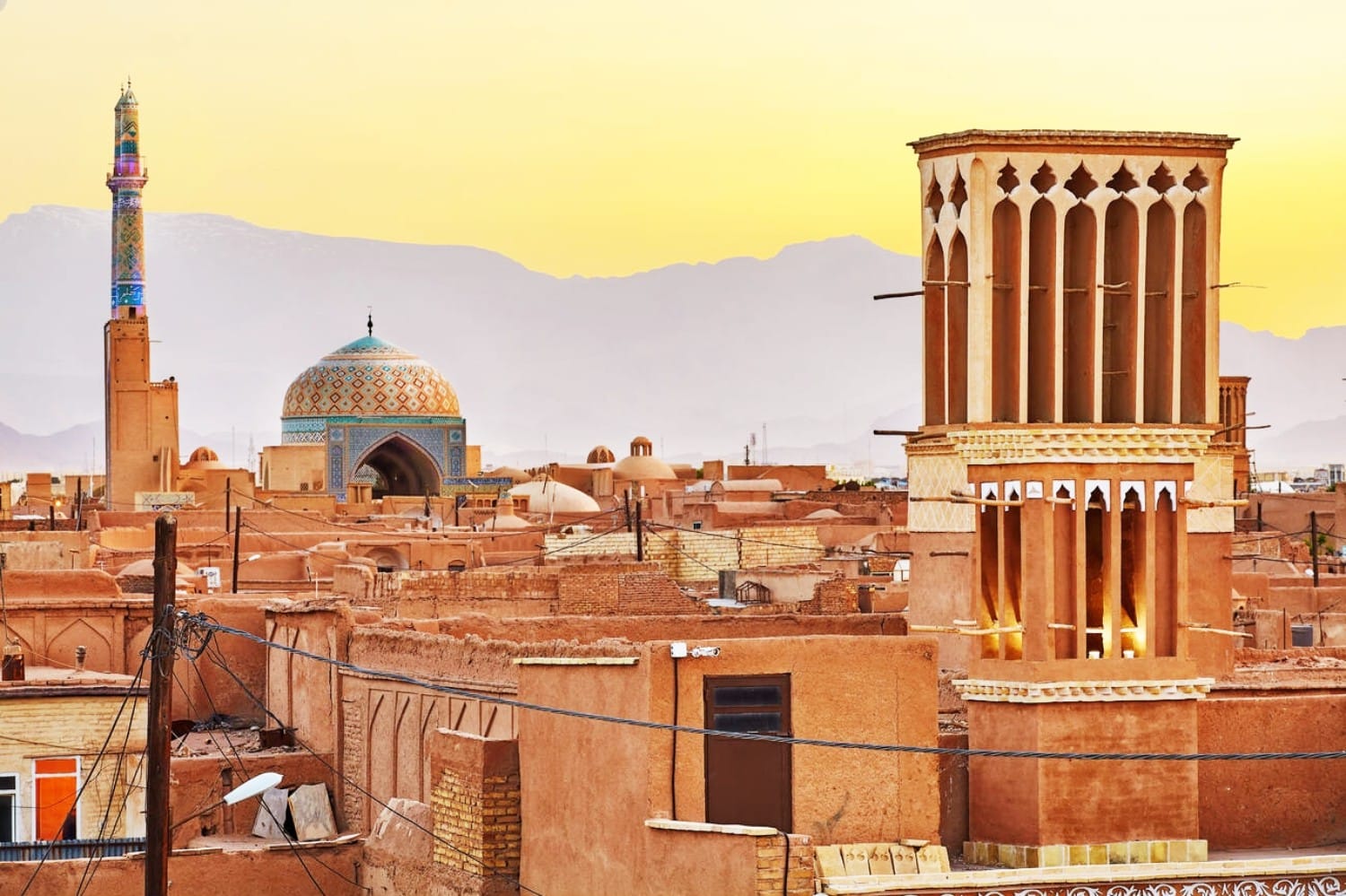
📍 Central Desert | 31.8974° N, 54.3560° ERising from the desert like a sandcastle, Yazd is one of the oldest continuously inhabited cities on Earth and a testament to human ingenuity in harsh environments. This UNESCO World Heritage city is famous for its unique windcatchers (badgirs)—towering structures that capture cool breezes and funnel them into homes, creating natural air conditioning in the scorching desert heat.
Yazd's old city is a labyrinth of narrow lanes, mud-brick houses, and hidden courtyards that transport visitors back centuries. The city is also the center of Zoroastrian culture in Iran, home to the Towers of Silence and the eternal flame at the Fire Temple, burning for over 1,500 years. As the sun sets over the desert, Yazd's adobe buildings glow golden, creating one of Iran's most magical atmospheres.
Must-See Highlights
- Old City (windcatchers & mud-brick architecture)
- Jameh Mosque (tallest minarets in Iran)
- Amir Chakhmaq Complex
- Zoroastrian Fire Temple & Towers of Silence
- Dolat Abad Garden (tallest windcatcher)
- Desert camping & stargazing
Essential Travel Tips for Iran
Prepare for your Persian adventure with these insider recommendations
Dress Code
Women must wear headscarves and loose-fitting clothing covering arms and legs. Men should avoid shorts. Bring a light manteau (long coat) and colorful scarves for comfort and style.
Money Matters
International cards don't work in Iran. Bring cash (USD or Euros) to exchange at official exchange offices (sarafi). Iranians are famously honest—count your change but trust the process.
Culinary Delights
Don't miss chelo kebab, ghormeh sabzi (herb stew), fesenjan (pomegranate walnut chicken), and saffron ice cream. Vegetarians can enjoy kashk-e bademjan and various rice dishes.
Tarof Culture
Learn the art of "tarof"—ritual politeness where offers are made out of courtesy. When offered tea or food, initially decline politely before accepting. It's a beautiful dance of hospitality.
Connectivity
Buy a local SIM card (Irancell or Hamrah-e Aval) at the airport. VPNs are essential for accessing social media. WhatsApp works, but bring backup communication methods.
Best Time to Visit
Spring (March-May) and Autumn (September-November) offer perfect weather. Nowruz (Persian New Year, March 21) is magical but crowded. Avoid summer desert heat and winter mountain snow.
Traveler Stories & Comments
Share your Iran experiences or ask questions below!
Just returned from a 2-week trip to Iran and I'm still speechless! Isfahan truly lives up to its name as "Half of the World." The people were incredibly welcoming—inviting us into their homes for tea everywhere we went. The Pink Mosque at sunrise is a must!
Can anyone recommend a good guide for Persepolis? I'm planning to visit in October and want to make sure I understand the historical context. Also, is Yazd worth adding to a 10-day itinerary?
The food in Iran is incredible! Don't miss trying Faloodeh (rosewater noodle ice cream) in Shiraz. Also, the carpet shopping in Tehran's Grand Bazaar is an experience in itself—even if you don't buy, the tea and conversation with shopkeepers is unforgettable.