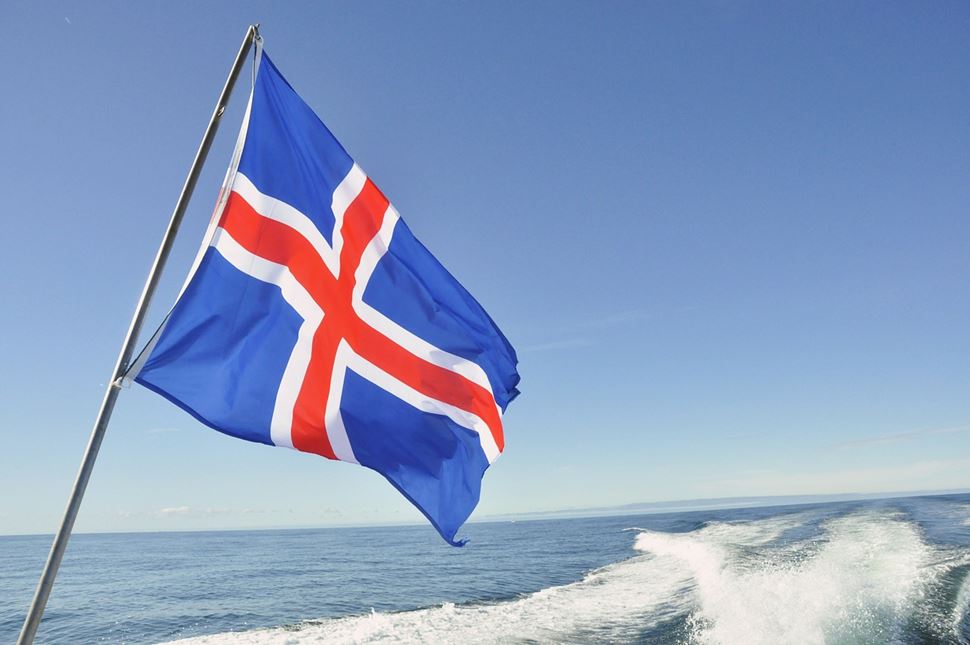
The Icelandic Flag: Blue for the ocean, red for volcanic fires, white for ice and snow
Where Volcanoes Meet Glaciers in the North Atlantic
The Icelandic Flag: Blue for the ocean, red for volcanic fires, white for ice and snow
Welcome to Iceland (Ísland), a volcanic island nation that defies imagination. Formed around 70 million years ago by underwater volcanic eruptions, Iceland sits atop the Mid-Atlantic Ridge where the North American and Eurasian tectonic plates drift apart [^42^][^45^]. This geological drama created a landscape of extremes—where Europe's largest glacier, Vatnajökull, coexists with some of the world's most active volcanoes.
Human history here began in 874 AD when Norwegian chieftain Ingólfur Arnarson became the first permanent Norse settler, fleeing the tyranny of King Harald Fairhair. By 930 AD, the Icelanders established the Althingi at Thingvellir—the world's oldest surviving parliament [^42^][^47^]. After centuries under Norwegian and then Danish rule, Iceland became an independent republic on June 17, 1944.
With just 400,000 inhabitants spread across 40,000 square miles, Iceland is Europe's least densely populated country [^47^]. Yet what Icelanders lack in numbers, they make up for in creativity, resilience, and progressive values—boasting the world's first elected female president, no standing army, and ranking as the most gender-equal country globally for over a decade. Icelandic, one of the oldest languages in Europe, remains virtually unchanged from Old Norse, allowing modern Icelanders to read medieval sagas with ease.
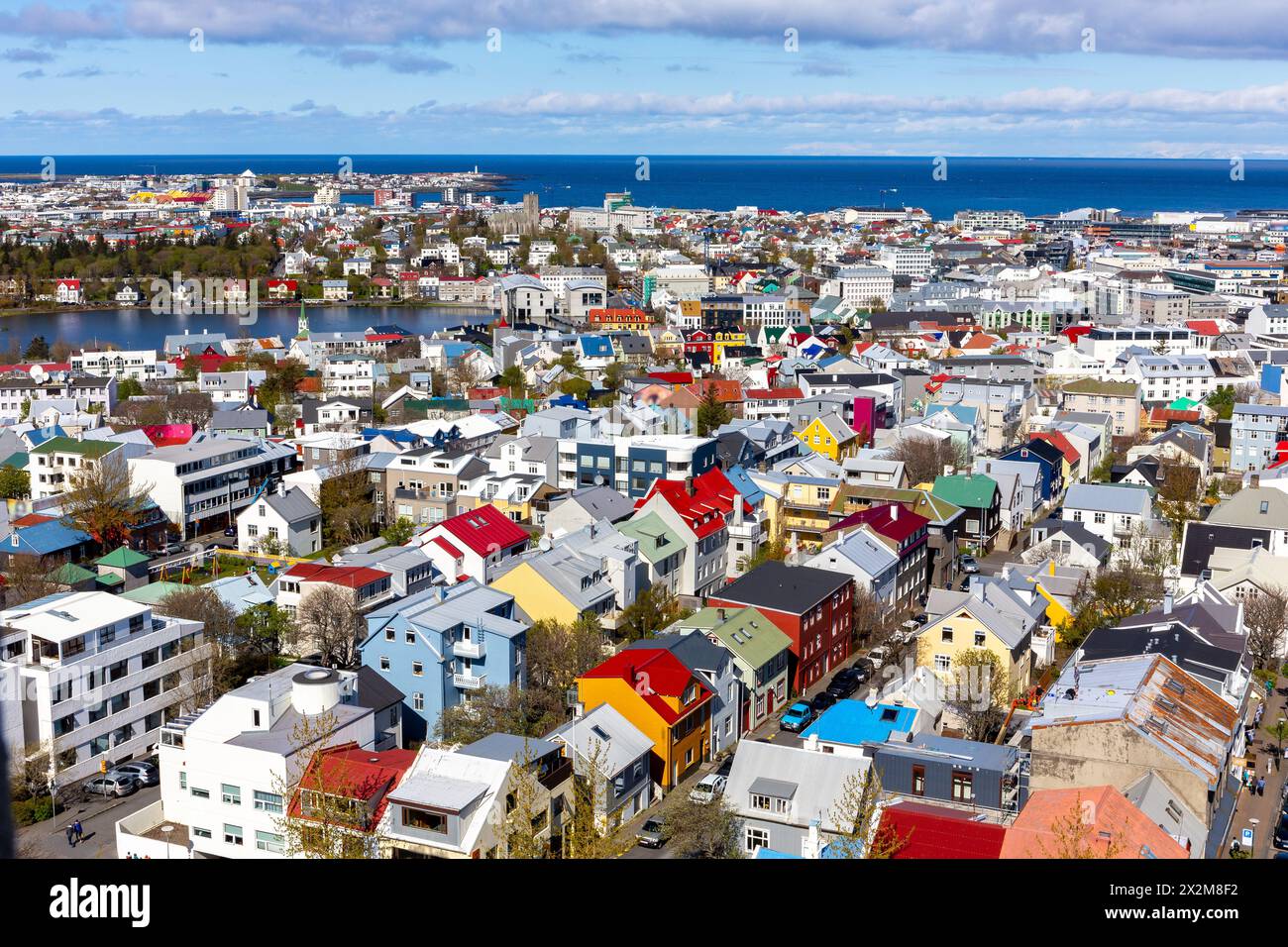
Home to two-thirds of Iceland's population, Reykjavik is the world's northernmost capital city—a vibrant, colorful hub that feels more like an overgrown village than a metropolis [^47^]. The city's skyline is dominated by Hallgrímskirkja, a Lutheran church whose design mimics Iceland's basalt lava columns, offering panoramic views from its 74-meter tower.
Despite its latitude, Reykjavik enjoys a surprisingly mild climate thanks to the Gulf Stream. The city serves as the perfect base for the Golden Circle route—Thingvellir National Park, Geysir geothermal area, and Gullfoss waterfall are all within day-trip distance. Don't miss Bæjarins Beztu, the famous hot dog stand that's been serving locals and celebrities (including Bill Clinton) since 1937.
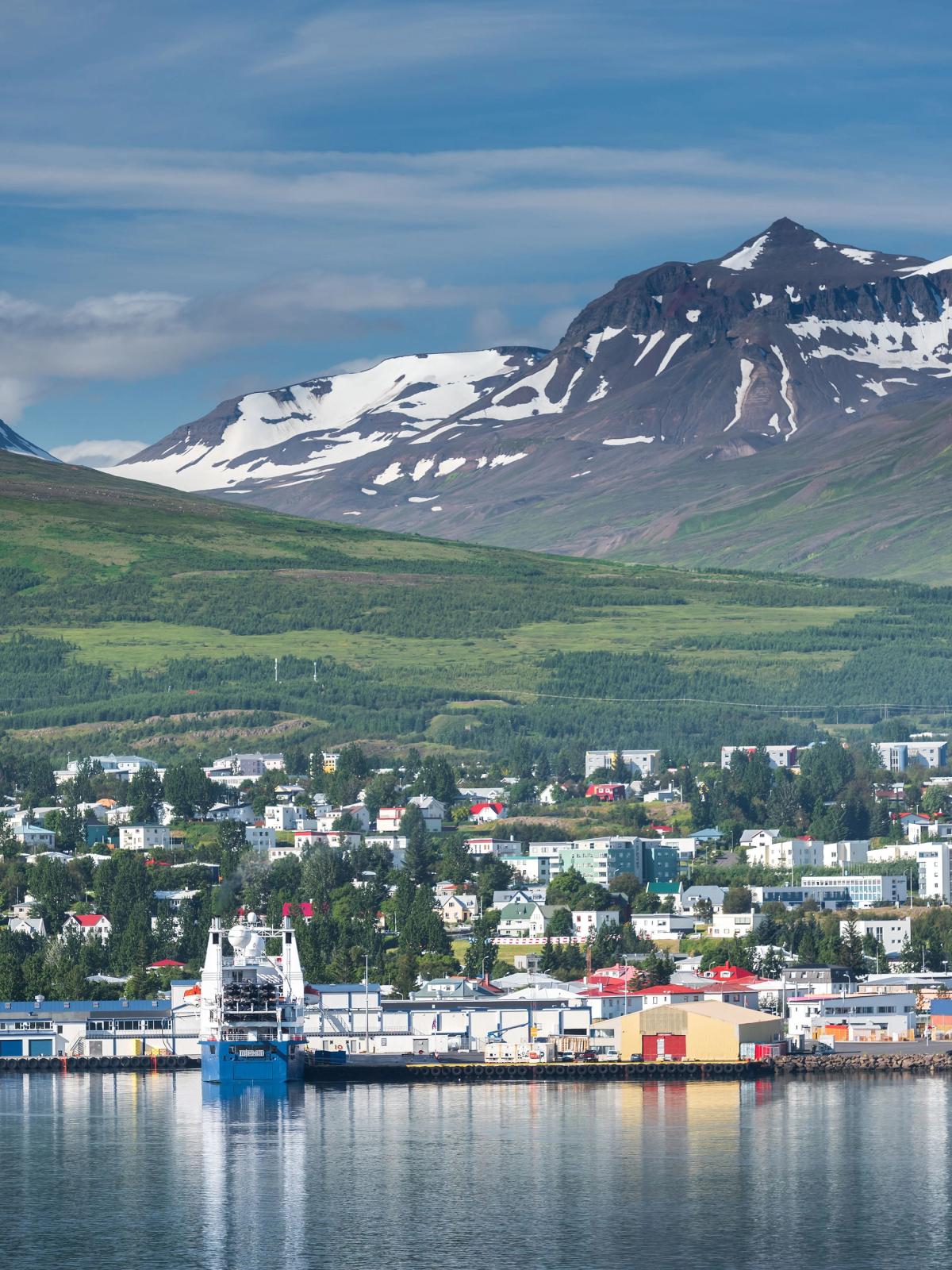
Nestled at the head of Iceland's longest fjord, Akureyri is the country's second-largest urban area and the undisputed capital of the north. Surrounded by snow-capped mountains and the tranquil waters of Eyjafjörður, this charming town of 18,000 residents offers a perfect blend of culture and wilderness adventure [^39^][^41^].
The iconic Akureyrarkirkja church, designed by the same architect as Reykjavik's Hallgrímskirkja, overlooks the town from a hilltop. Stroll through Lystigarður Akureyrar—the world's northernmost botanical garden—where over 400 native and exotic species thrive in the Arctic climate. In winter, Hlíðarfjall ski resort offers excellent slopes just minutes from downtown, while summer brings whale watching in the fjord and midnight golf under the Arctic sun.
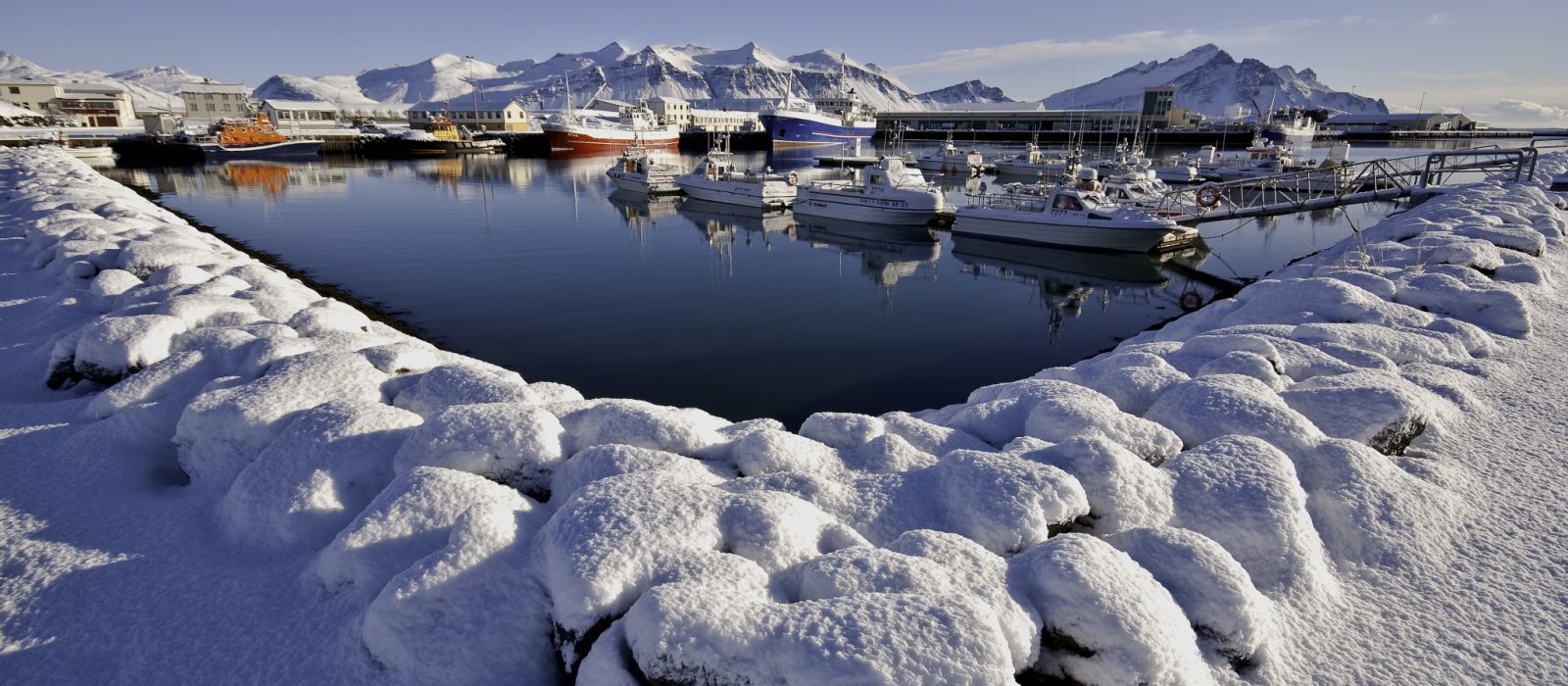
Known as Iceland's langoustine capital, Höfn is a picturesque harbor town where the country's largest glacier, Vatnajökull, meets the Atlantic Ocean. With just 2,200 inhabitants, this fishing village punches well above its weight in culinary delights and natural splendor [^39^][^40^].
The town offers the best views of Vatnajökull—Europe's largest ice cap covering 8% of Iceland's surface area. Nearby, the Jökulsárlón glacier lagoon floats with icebergs calved from Breiðamerkurjökull glacier, while Diamond Beach sees these crystal chunks wash ashore onto black volcanic sand, glittering like jewels. Höfn serves as the perfect base for ice cave explorations, glacier hiking, and tasting the famous Icelandic lobster (langoustine) at restaurants like Humarhöfnin.
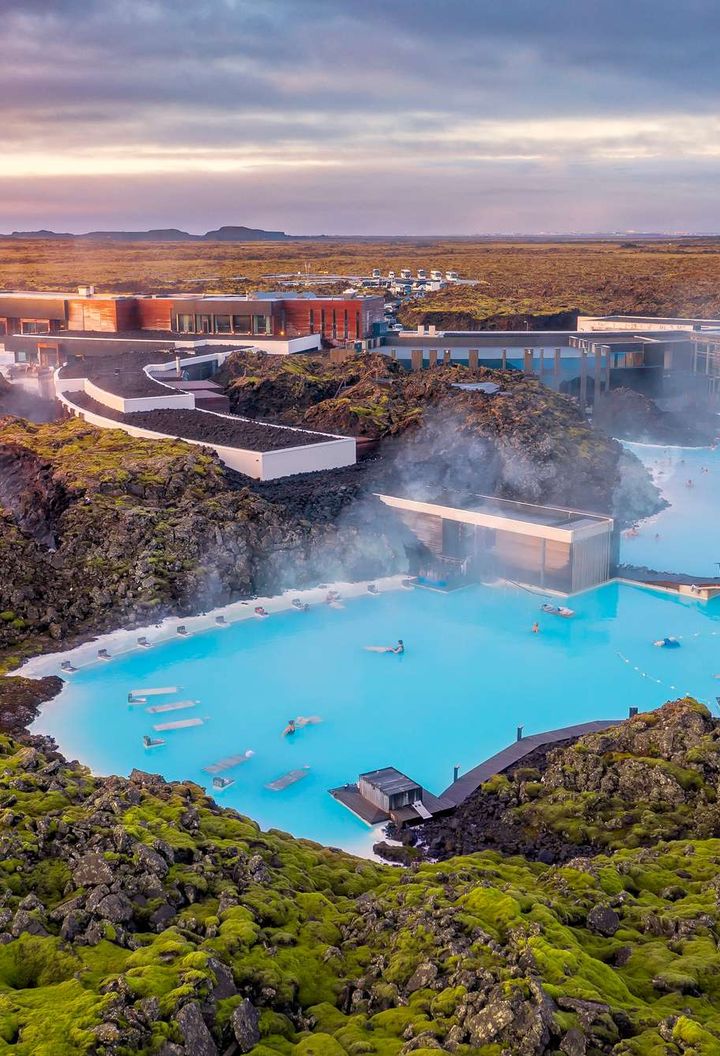
Just 20 minutes from Keflavík International Airport lies Grindavík, a small fishing town that has become synonymous with Iceland's most famous attraction: the Blue Lagoon. This geothermal wonder isn't just a spa—it's a surreal experience of floating in milky-blue, mineral-rich waters (38°C/100°F year-round) surrounded by black lava fields [^43^].
The lagoon's silica mud masks and therapeutic waters have made it one of National Geographic's 25 Wonders of the World. While Grindavík itself is a working fishing village, the surrounding Reykjanes Peninsula offers dramatic landscapes of lava fields, hot springs, and the Bridge Between Continents where you can stand with one foot on the North American plate and one on the Eurasian plate.
Iceland is not just a destination—it's a reminder of Earth's raw power and beauty. Whether you're watching geysers erupt, walking behind thundering waterfalls, or simply soaking in a hot spring under the aurora borealis, Iceland strips away the modern world's noise and reconnects you with something ancient and elemental. The Icelandic concept of þetta reddast—"it will all work out"—permeates the culture here, a testament to a people who have learned to thrive in one of Earth's most dramatic landscapes.
Pack your waterproof gear, bring your sense of wonder, and prepare for landscapes that will make you question if you've left Earth entirely. Iceland doesn't just capture your imagination—it seizes it with volcanic fire and glacial ice.