Cambodia Travel Guide
Kingdom of Wonder & Ancient Mysteries
Cambodia, officially the Kingdom of Cambodia, is a captivating Southeast Asian nation that beckons travelers with its mystical temples, resilient spirit, and warm hospitality. Home to over 16 million people, this country carries the legacy of the mighty Khmer Empire that once ruled much of Southeast Asia from the 9th to 15th centuries. From the world-famous Angkor Wat to the tranquil beaches of the south, Cambodia offers a journey through time that touches the soul and ignites the imagination.
The name "Cambodia" derives from the Sanskrit word "Kambuja," meaning "the land of Kambu," and today it stands as a testament to human creativity and endurance. Whether you're watching the sunrise over ancient temple spires, cruising along the mighty Mekong River, or sharing stories with locals over a bowl of fish amok, Cambodia delivers experiences that are both humbling and exhilarating. This is a land where ancient history meets vibrant contemporary culture, where every smile tells a story of resilience, and where the wonders of the past await your discovery.
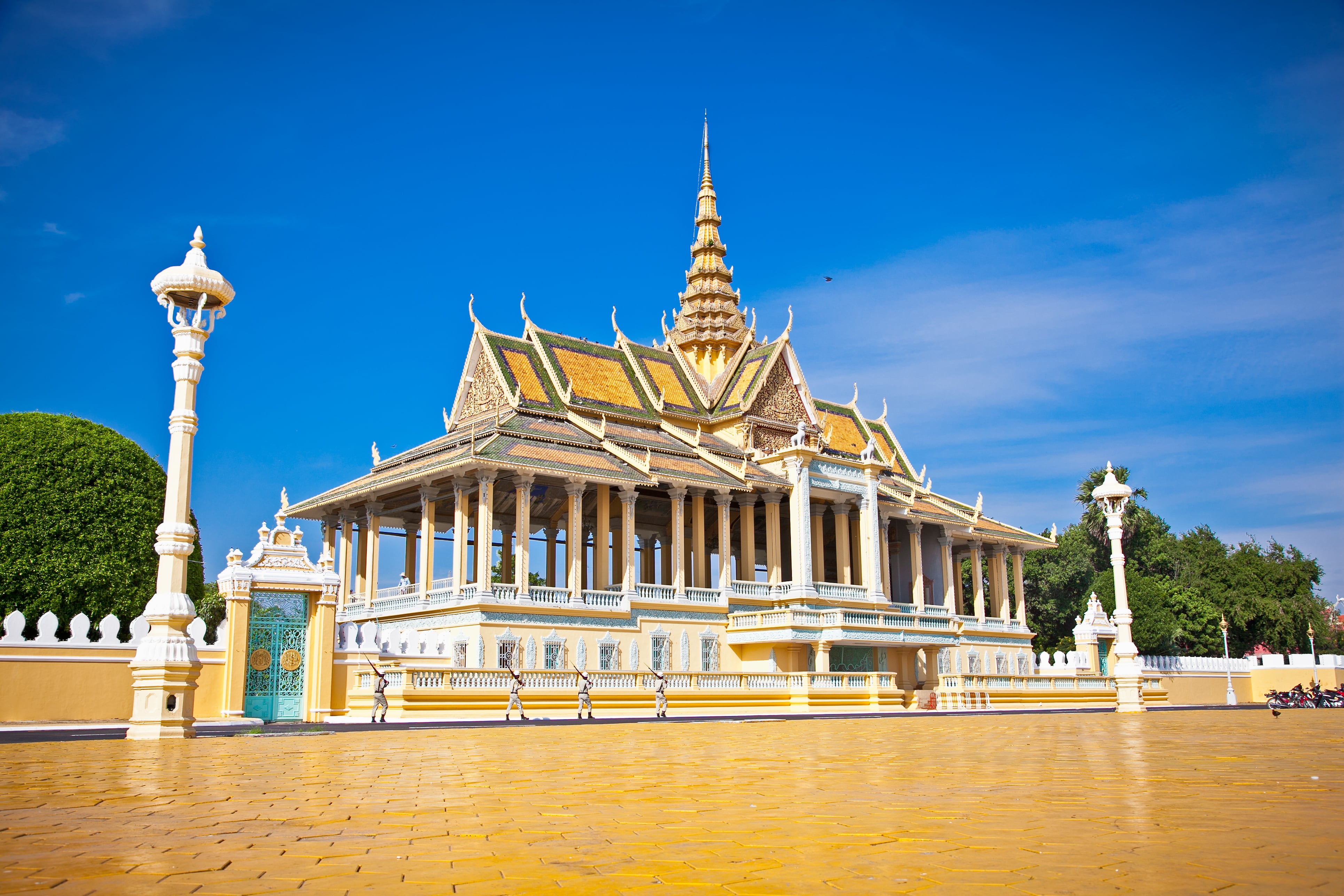
Situated at the confluence of the Mekong, Bassac, and Tonle Sap rivers, Phnom Penh is Cambodia's vibrant capital—a city of striking contrasts where French colonial architecture stands alongside glittering pagodas and bustling markets. The magnificent Royal Palace, with its golden spires and Silver Pagoda housing a Buddha statue adorned with thousands of diamonds, showcases the grandeur of Khmer royalty. Nearby, the National Museum houses the world's finest collection of Khmer sculpture, offering a profound introduction to the country's artistic heritage.
But Phnom Penh is more than its monuments; it's a city pulsing with life. Stroll along the riverside promenade at sunset, when locals gather for exercise and street food vendors serve up delicacies like num pang (Cambodian sandwiches) and fresh sugar cane juice. The Russian Market offers treasure hunters everything from silk scarves to vintage curios, while the burgeoning arts scene in the Bong Kak neighborhood reveals Cambodia's creative renaissance. For a poignant understanding of the country's recent history, visit the Tuol Sleng Genocide Museum and Choeung Ek Killing Fields—difficult but essential experiences that honor the resilience of the Cambodian people.
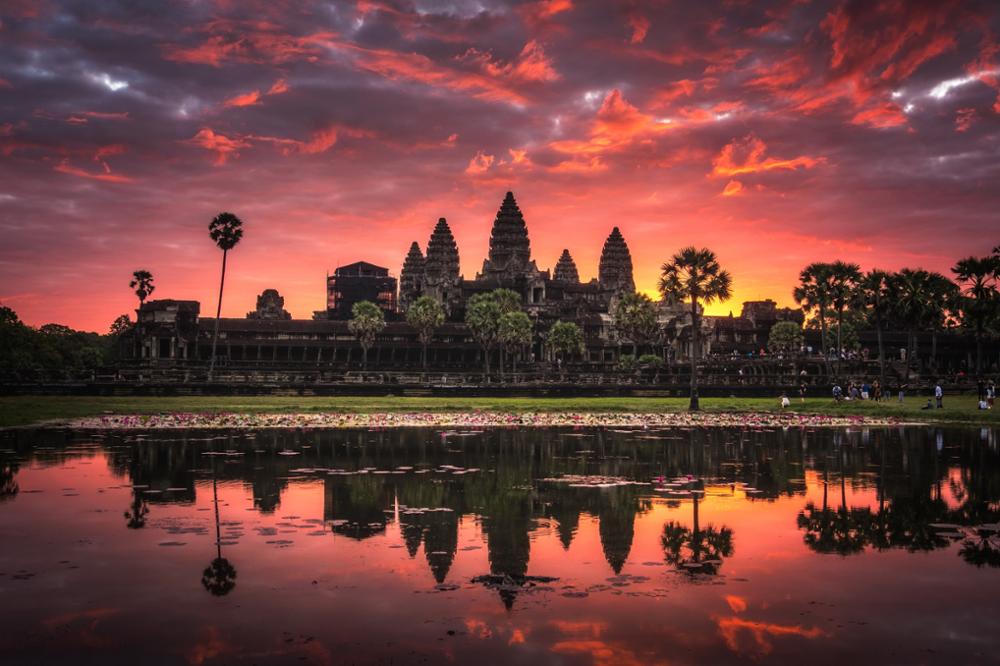
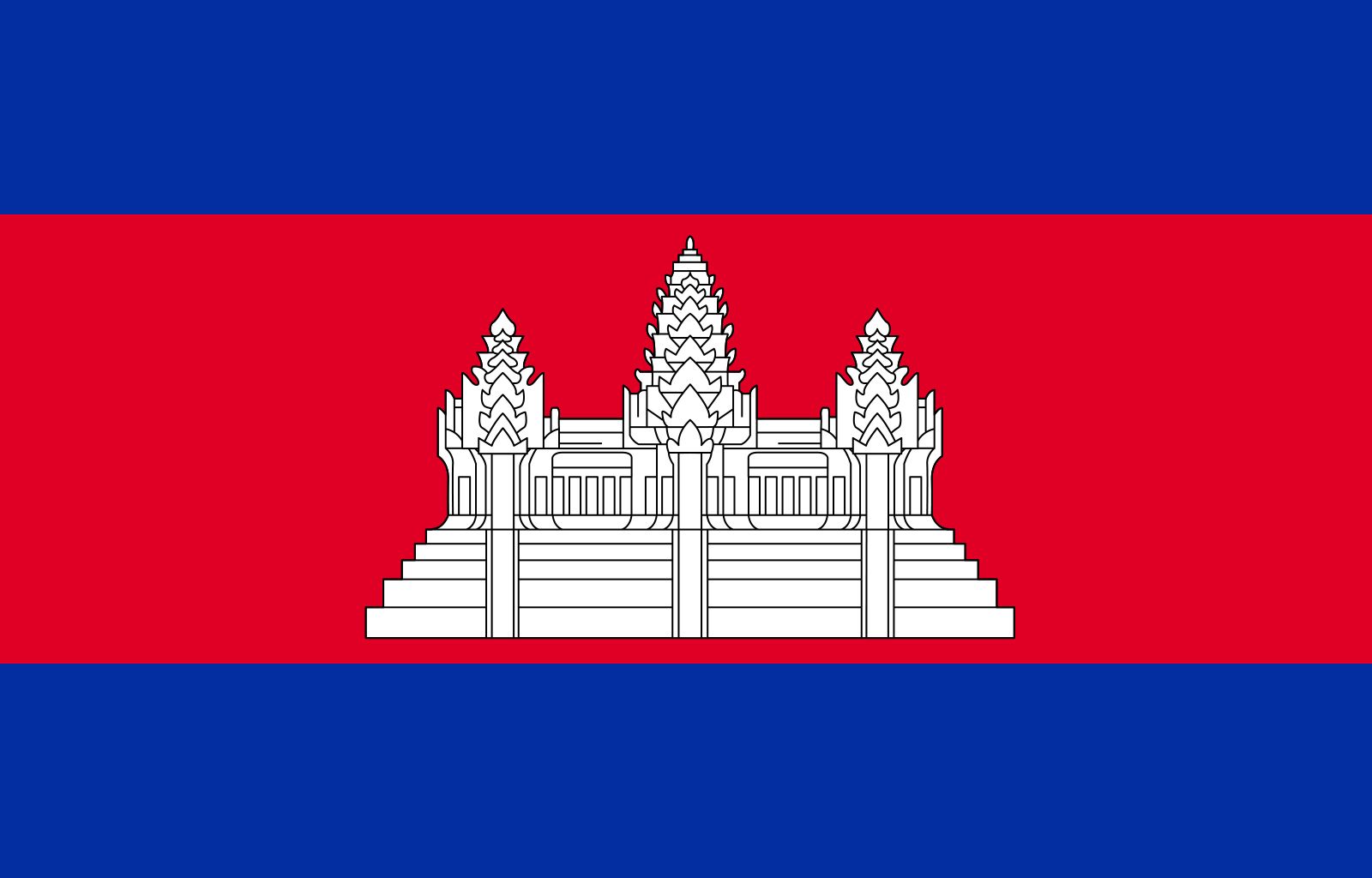
No journey to Cambodia is complete without experiencing Siem Reap, the gateway to the legendary Angkor Archaeological Park. While the town itself has transformed from a sleepy village into a cosmopolitan hub with world-class dining and boutique hotels, the real magic lies just beyond its borders. Angkor Wat, the largest religious monument in the world, stands as the crown jewel—a masterpiece of Khmer architecture that appears on Cambodia's flag. Arrive before dawn to watch the sun rise behind its iconic lotus-bud towers, their reflection shimmering in the surrounding moat.
Beyond Angkor Wat, the ancient city of Angkor Thom houses the enigmatic Bayon Temple, where 216 stone faces of Avalokiteshvara smile mysteriously from every tower. Ta Prohm, left largely as discovered with massive tree roots strangling ancient walls, creates an atmosphere reminiscent of an Indiana Jones adventure. After temple-hopping, Siem Reap offers respite in the form of traditional Khmer massages, cooking classes where you'll learn to make fish amok, and the vibrant Pub Street where travelers share stories over Angkor Beer. The nearby Tonle Sap Lake, Southeast Asia's largest freshwater lake, provides insight into floating village life.
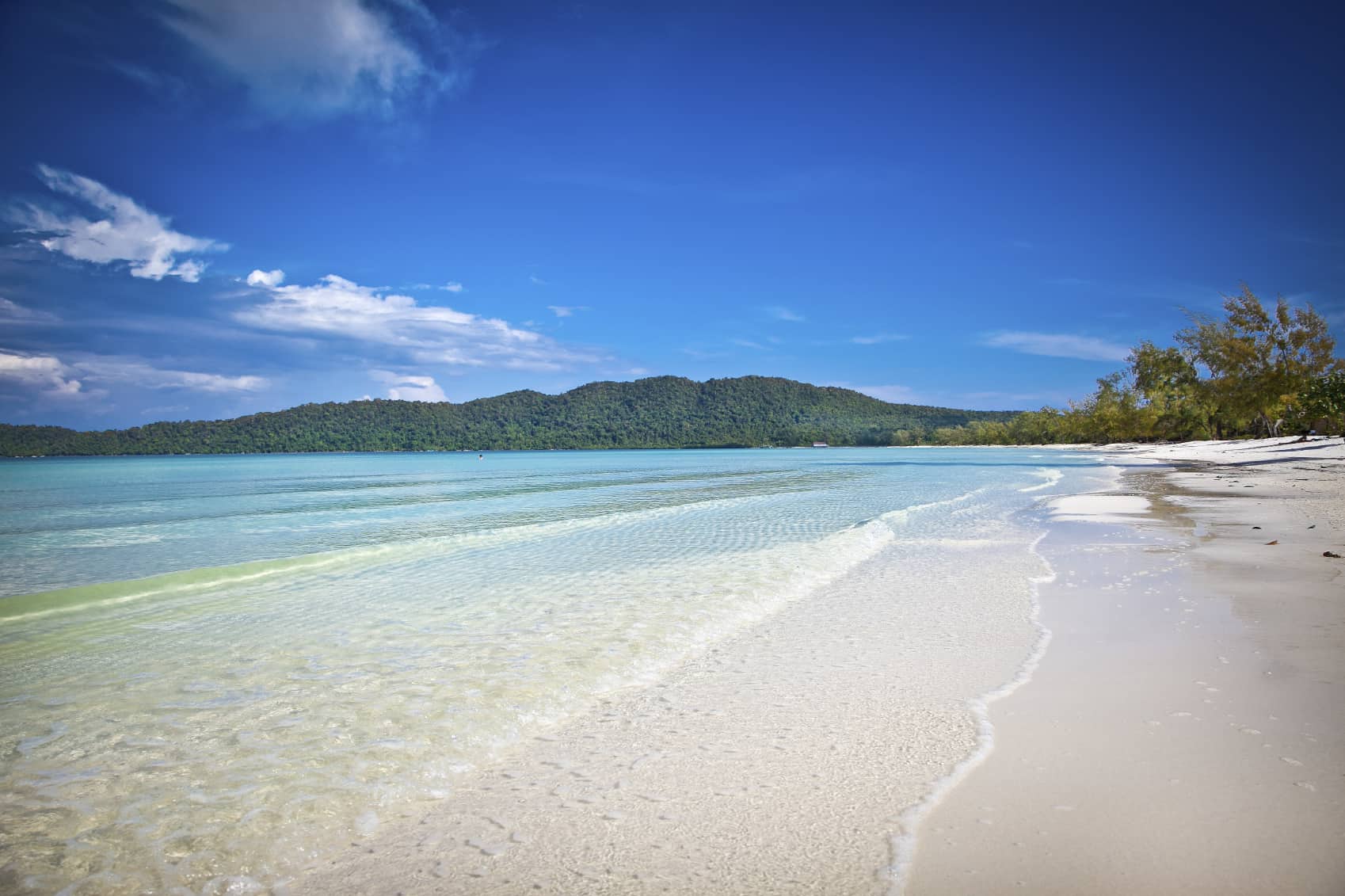
Named after King Norodom Sihanouk, this coastal city serves as Cambodia's premier beach destination, offering sandy shores along the Gulf of Thailand. Sihanoukville (locally known as Kampong Som) has undergone rapid development, yet it remains the jumping-off point for some of Southeast Asia's most pristine island escapes. The nearby islands of Koh Rong and Koh Rong Sanloem boast powder-white beaches and crystal-clear waters that rival any tropical paradise, with bioluminescent plankton lighting up the night waters like stars fallen to earth.
On the mainland, Otres Beach maintains a more laid-back vibe than the bustling Serendipity Beach, with beachfront bungalows and reggae bars creating a backpacker haven. For diving enthusiasts, the waters around Sihanoukville offer coral reefs teeming with marine life. The city also serves as a gateway to Ream National Park, where mangrove forests shelter monkeys, dolphins, and over 150 bird species. As the sun sets, seafood restaurants along the shore serve the day's catch—grilled squid, prawns, and Kampot crab—best enjoyed with your toes in the sand and a tropical cocktail in hand.
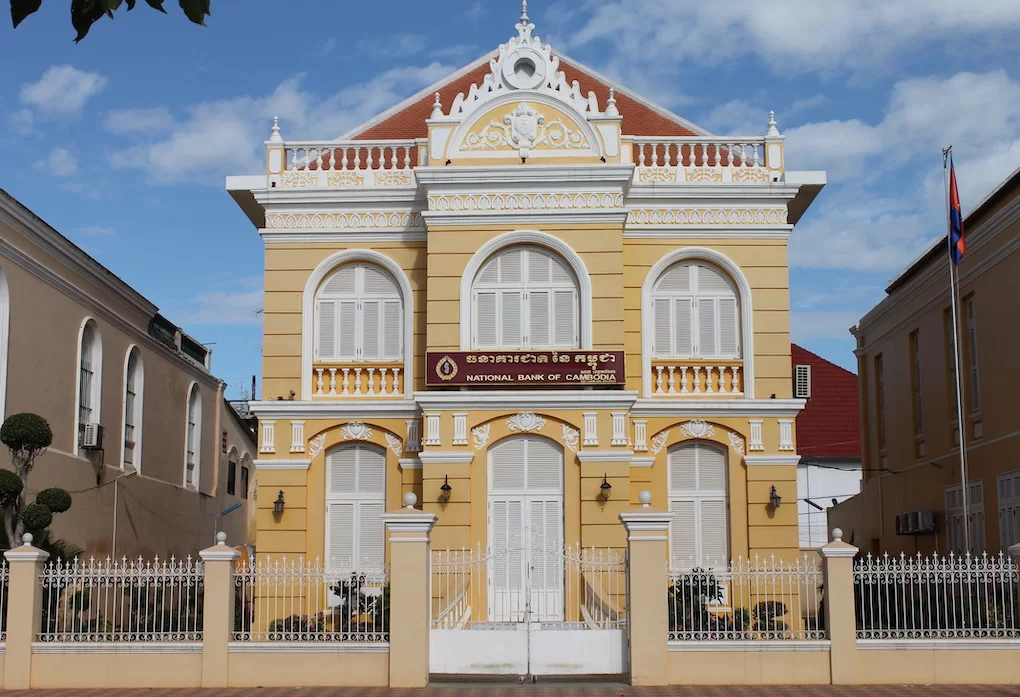
Often overlooked by tourists rushing to Angkor, Battambang is Cambodia's second-largest city and its cultural heart, preserving the finest collection of French colonial architecture in the country. Tree-lined streets showcase elegant shophouses and the distinctive Governor's Residence, while the surrounding countryside offers a glimpse into traditional Cambodian rural life that has remained largely unchanged for centuries. This is the birthplace of Cambodian modern art, home to Phare Ponleu Selpak, an NGO circus school where disadvantaged youth train in acrobatics and performing arts.
The real magic of Battambang lies in its countryside. Take a ride on the unique bamboo train—a platform on wheels powered by a small engine—speeding through rice paddies and villages at exhilarating speeds. Visit the ancient Phnom Banan temple, perched atop a mountain with panoramic views, or explore the killing caves of Phnom Sampeau, where macaque monkeys play in the shadow of a sobering history. As evening falls, sample the region's famous rice noodles and sticky rice cooked in bamboo, then catch a performance at the circus—an explosion of color, music, and athleticism that showcases the incredible talent and spirit of Cambodia's youth.
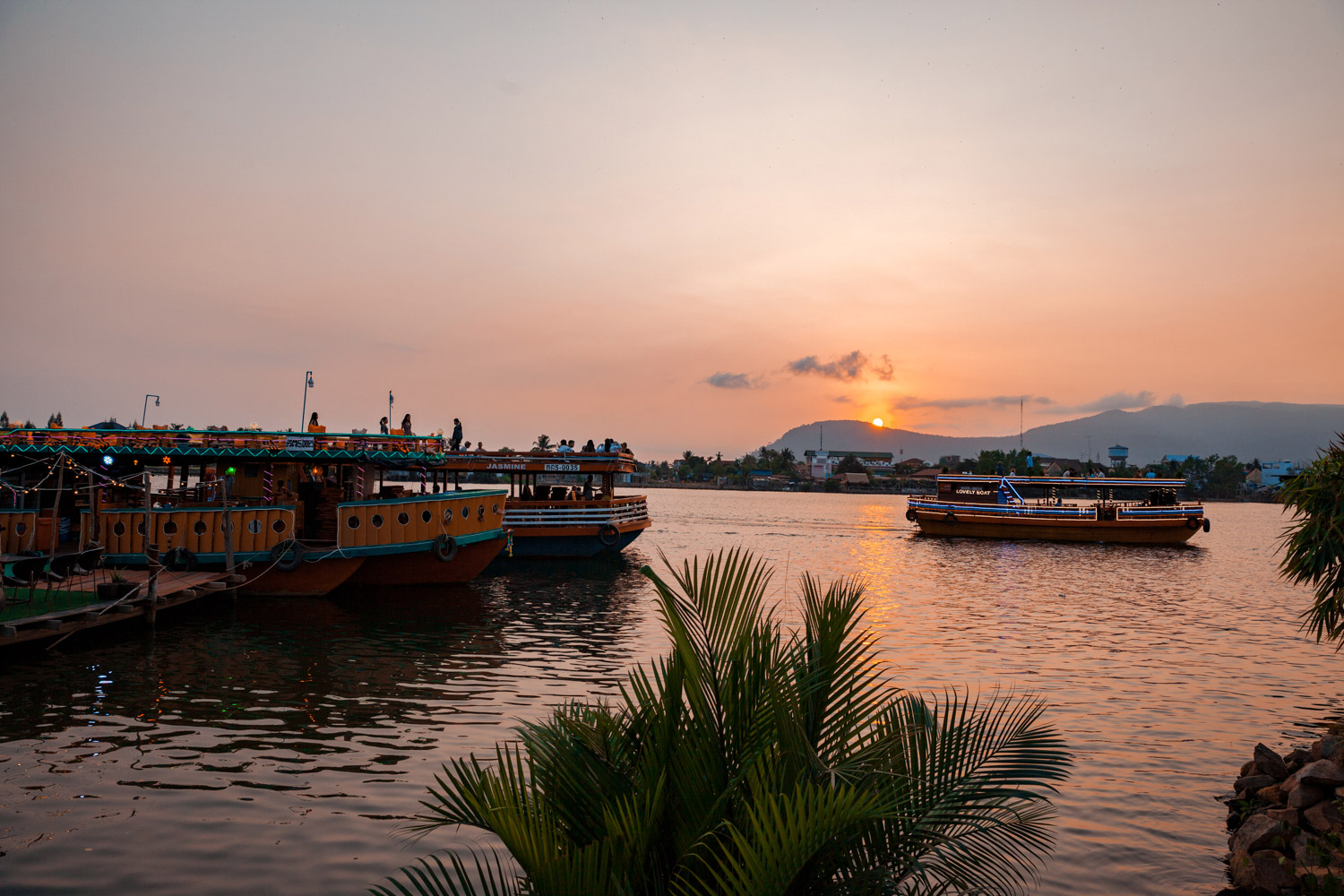
Sleepy, charming, and utterly captivating, Kampot sits along the banks of the Praek Tuek Chhu River, surrounded by emerald-green countryside and the misty silhouette of Bokor Mountain. This provincial capital is famous worldwide for its pepper—Kampot pepper is the first Cambodian product to receive Protected Geographical Indication status from the EU, prized by chefs from Paris to Tokyo. Visit pepper plantations where you can learn about the cultivation of black, white, and red peppercorns, tasting the subtle differences that make this spice so coveted.
The town itself exudes a relaxed atmosphere with its crumbling French colonial buildings, riverside promenade, and growing community of expats and artists. Rent a bicycle to explore the surrounding salt flats and caves, or take a river cruise at sunset when the water turns golden and fireflies begin their evening dance. Nearby Kep, once a glamorous resort for French colonialists, offers fresh crab markets where you can enjoy pepper crab right on the water's edge. For the adventurous, Bokor National Park provides hiking trails through cloud forests to abandoned French hill stations, offering eerie yet beautiful glimpses into Cambodia's colonial past.
Leave a Comment
Share your thoughts about Cambodia or ask questions for fellow travelers!
Recent Comments