
Afghanistan Travel Guide
The Land of Light & Ancient Splendor
Afghanistan, officially the Islamic Republic of Afghanistan, is a landlocked country nestled in the heart of South-Central Asia, where the Indian subcontinent meets Central Asia. Known as the "Land of the Afghans," this ancient nation has served as a crucial crossroads of civilizations for over 5,000 years, bearing witness to the footprints of Alexander the Great, Genghis Khan, and countless merchants along the legendary Silk Road. From the snow-capped peaks of the Hindu Kush to the turquoise lakes of Bamiyan, Afghanistan presents a landscape of dramatic contrasts and untold beauty.
Despite decades of conflict, Afghanistan's cultural heritage remains breathtakingly rich. The country boasts four UNESCO World Heritage sites, including the stunning Minaret of Jam and the Cultural Landscape of Bamiyan. Here, hospitality is not merely a custom but a sacred duty—travelers are often overwhelmed by the genuine warmth of local communities who open their homes and hearts to visitors. Whether you seek ancient Buddhist ruins, magnificent Islamic architecture, or pristine alpine lakes, Afghanistan offers a travel experience that is as profound as it is unforgettable.
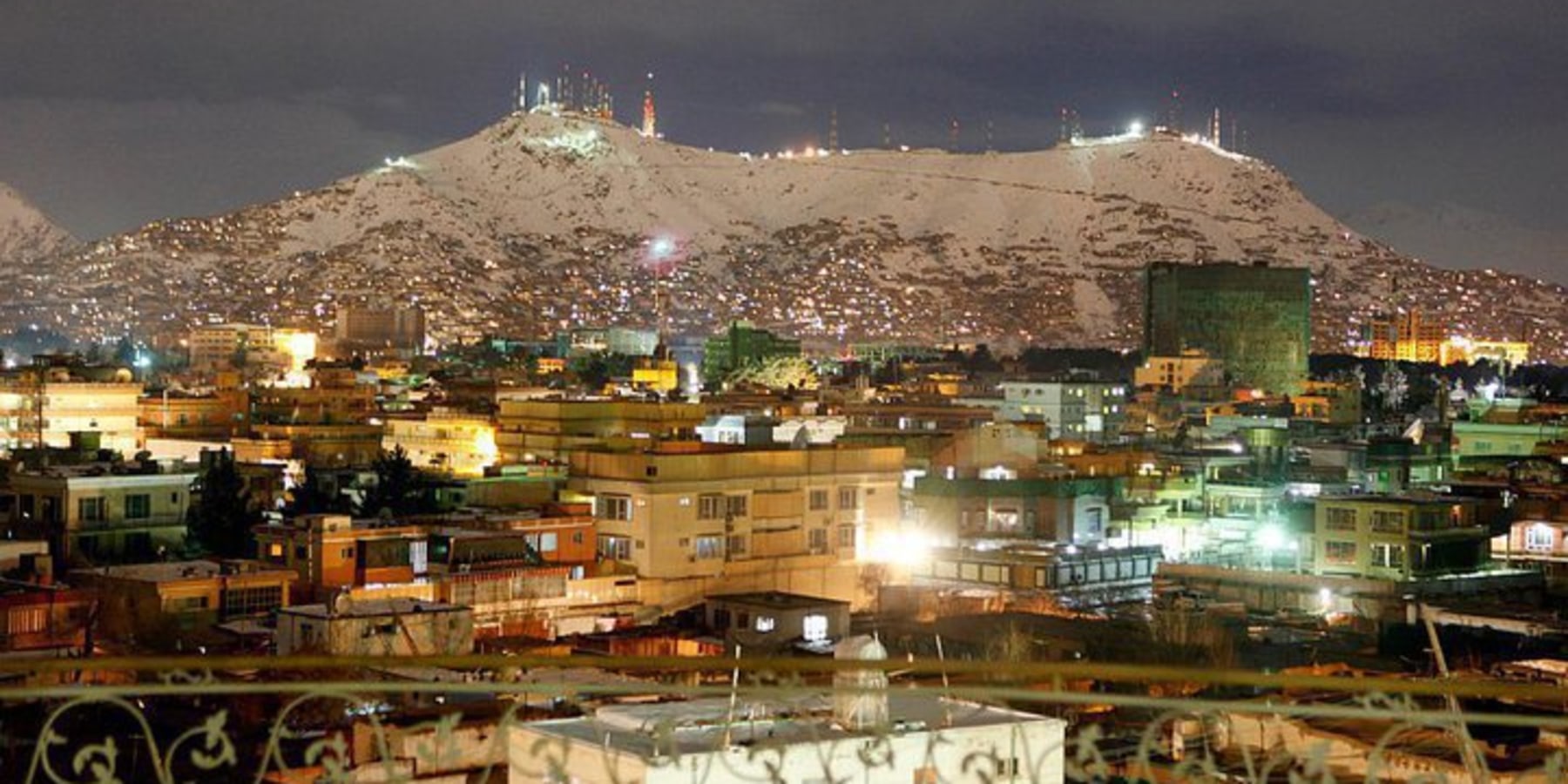
Nestled in a narrow valley between the Hindu Kush mountains, Kabul is a city of resilience and contrasts, where ancient history meets the complexities of modern life. As one of the highest capital cities in the world at 1,800 meters above sea level, Kabul enjoys a pleasant climate and stunning mountain backdrops that change colors with the seasons. The city's history stretches back over 3,500 years, serving as a strategic center for empires from the Achaemenids to the Mughals.
Begin your journey at the magnificent Gardens of Babur, the final resting place of the Mughal Empire's founder, where terraced gardens offer peaceful respite and panoramic views of the city below. Explore the vibrant bird markets where colorful kites and feathered songbirds fill the air with life, or wander through the historic bazaars of Chicken Street, famous for its carpets, lapis lazuli jewelry, and antique treasures. The National Museum houses artifacts spanning millennia of Afghan history, while the Sakhi Shrine stands as a testament to the nation's deep spiritual traditions. As evening falls, watch the sun dip behind the mountains, painting the sky in hues of amber and violet—a reminder that beauty endures even in the most challenging circumstances.
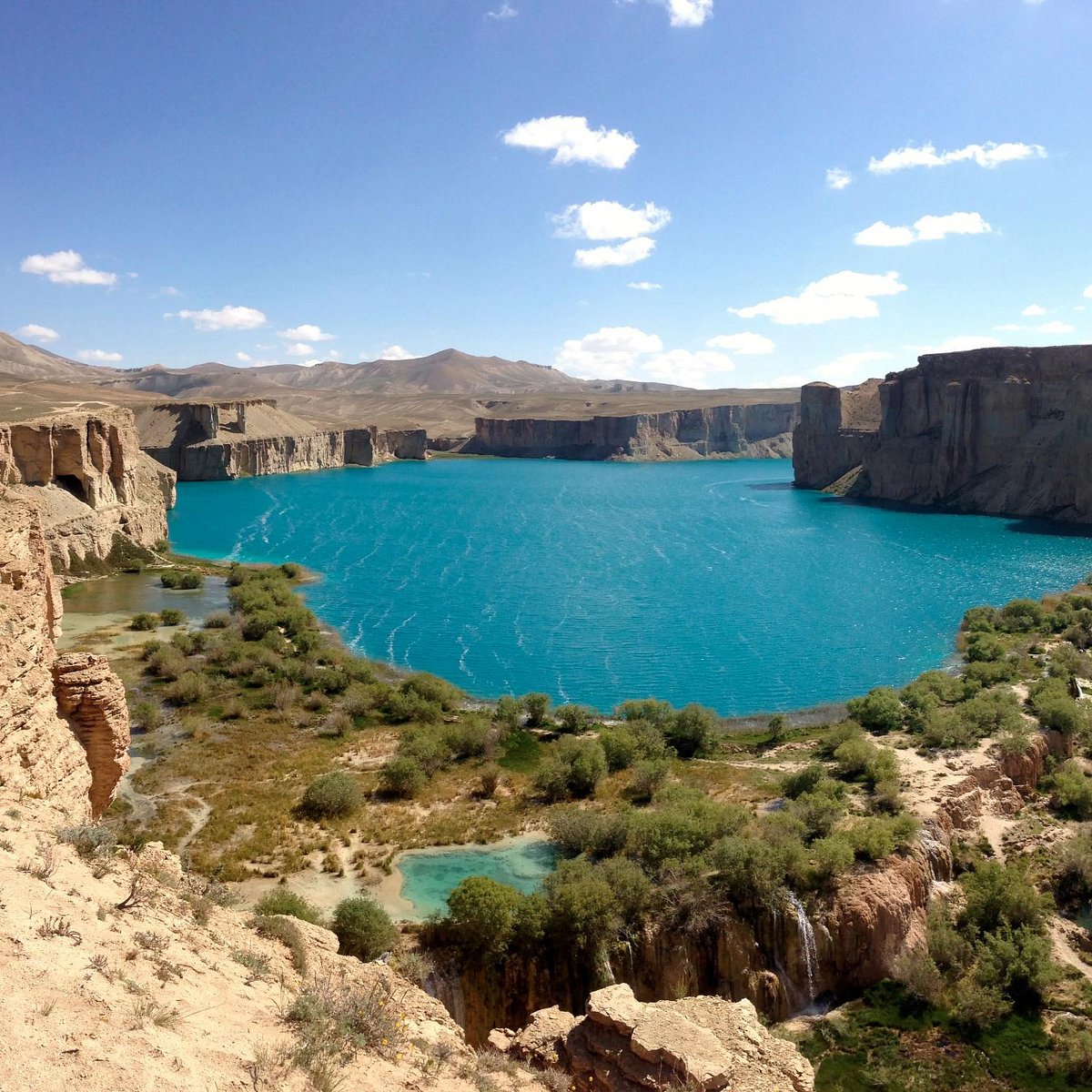
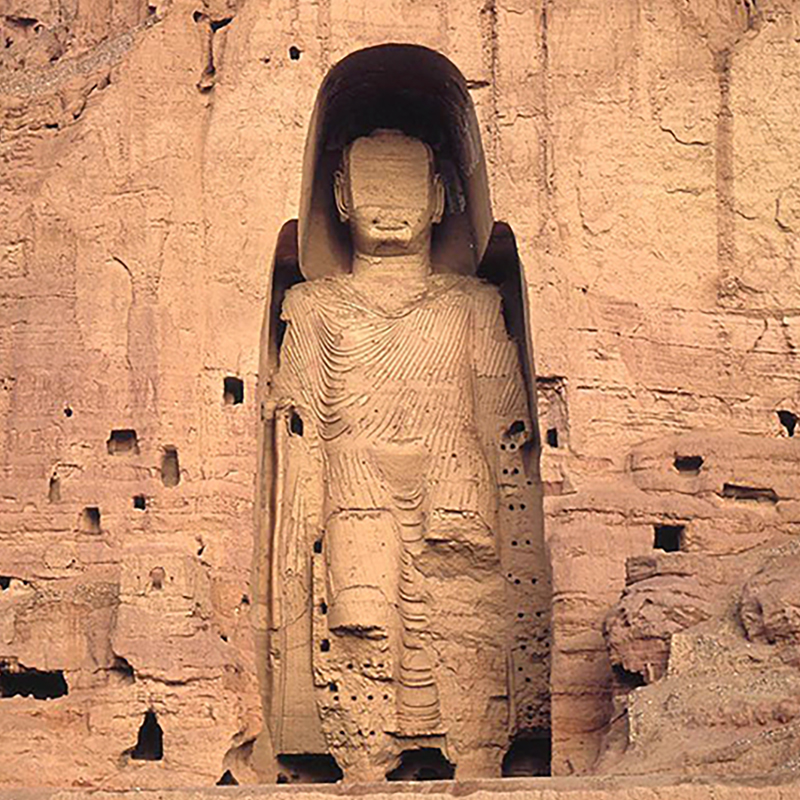
High in the Hazarajat region, surrounded by the snow-capped Koh-e Baba mountains, lies Bamiyan—a place of haunting beauty and profound historical significance. This valley was once a thriving center of Buddhism along the Silk Road, home to the magnificent Bamiyan Buddhas that stood for over 1,500 years before their tragic destruction in 2001. Today, the empty niches carved into the sandstone cliffs serve as powerful reminders of Afghanistan's complex history and the resilience of cultural heritage.
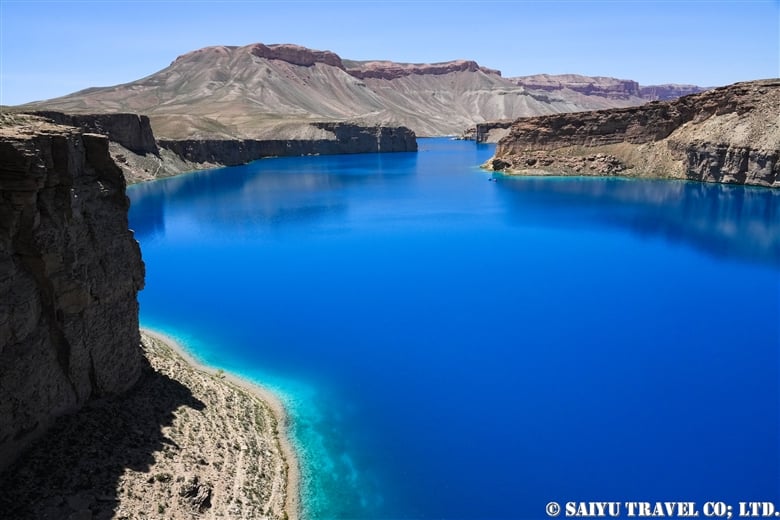
But Bamiyan is not defined by loss—it is celebrated for natural wonders that take your breath away. The Band-e Amir National Park, Afghanistan's first national park, features six stunning turquoise lakes separated by natural travertine dams, created by mineral-rich waters over thousands of years. The lakes' surreal blue against the stark lunar landscape creates an otherworldly paradise that rivals any natural wonder on Earth. Nearby, the ancient citadel of Shahr-e Gholghola (City of Screams) offers hauntingly beautiful sunset views, while the thriving Hazara community welcomes visitors with warmth and traditional hospitality. In spring, the valley blooms with wildflowers, creating a patchwork of colors against the dramatic mountain backdrop.
Near the Iranian border, the ancient city of Herat stands as Afghanistan's cultural jewel—a repository of Persian art, poetry, and architecture that flourished under the Timurid dynasty. Often called the "Pearl of Khorasan," Herat has been a center of learning and civilization for over two millennia, attracting scholars, poets, and artisans who created some of the Islamic world's finest artistic achievements. The city's strategic location on ancient trade routes endowed it with a cosmopolitan character that persists today.
The magnificent Friday Mosque (Masjid-e Jami) dominates the city center with its stunning turquoise mosaics and intricate tilework that shimmer in the desert sun—a masterpiece of Islamic architecture that has evolved over eight centuries. The imposing Herat Citadel (Qala Iktyaruddin), originally built by Alexander the Great and rebuilt numerous times, offers commanding views of the city and houses a museum showcasing the region's rich history. Visit the tomb of the Sufi poet Jami, or explore the remains of the Musalla Complex, where six towering minarets are all that remain of a once-grand madrasa built by Queen Gawhar Shad. The city's famous glassblowers continue ancient traditions, creating the distinctive blue glass that has made Herati craftsmanship renowned throughout Central Asia.
Known as the "Noble Shrine," Mazar-i-Sharif is Afghanistan's fourth-largest city and one of its most spiritually significant destinations. According to tradition, the city grew around the shrine of Hazrat Ali, the cousin and son-in-law of the Prophet Muhammad, believed by some to be buried here after his remains were transported from Iraq on a white camel. This sacred connection has made Mazar-i-Sharif a major pilgrimage center for centuries, drawing thousands of faithful, particularly during the Nawruz celebrations.
The Blue Mosque (Shrine of Hazrat Ali) is undoubtedly one of the most beautiful buildings in Afghanistan—a stunning example of Timurid architecture covered in intricate blue tilework that seems to glow from within. The shrine is surrounded by thousands of white doves, considered sacred by locals, who believe they turn gray if they leave the sanctuary. Beyond the mosque, the ancient city of Balkh lies nearby, once known as the "Mother of All Cities" and a center of Zoroastrianism, Buddhism, and early Islamic learning. The Haji Piyada Mosque (Noh Gumbad), dating to the 9th century, represents Afghanistan's oldest Islamic monument with its nine domes and exquisite stucco decorations. Mazar-i-Sharif is also famous for its high-quality cotton production and traditional Turkmen carpets, offering visitors a blend of spiritual reflection and cultural discovery.

Kandahar holds a special place in Afghan history as the birthplace and first capital of modern Afghanistan, founded by Ahmad Shah Durrani in 1747. Located strategically on the ancient trade routes connecting Central Asia, the Indian subcontinent, and Persia, this southern city has witnessed the rise and fall of empires while maintaining its distinct Pashtun cultural identity. The region around Kandahar is believed to be one of the oldest continuously inhabited areas in Afghanistan.
The city's most sacred site is the Shrine of Kherqa Sharif, which houses the Cloak of the Prophet Muhammad, brought to Afghanistan by Ahmad Shah Durrani. This relic makes Kandahar one of the holiest cities in Islam. Nearby, the Chilzina (Forty Steps) offers a fascinating glimpse into the city's military history—a rock-carved chamber reached by climbing forty stone steps, built by the Mughal Emperor Babur in the 16th century. The site offers panoramic views of the surrounding plains. Kandahar is also famous for its pomegranates, considered the finest in Afghanistan, and its distinctive style of embroidery. While more conservative than northern cities, Kandahar offers visitors an authentic experience of traditional Pashtun culture, renowned for its poetry, tribal traditions, and legendary hospitality.